

 English
 中文简体
中文简体 Español
 日本語
日本語 русский
 عربى
عربى



TO SHELTER ALL, TO SMILE ALL.
Our story is about how to uphold the spirit of humanitarianism in the face of disaster, how to find solutions amidst challenges, and how to sow hope in despair.
Content
You come home from a long camping weekend, and the tent smells damp, the floor has a line of pine stains, and the zipper track is gritty with sand. The practical answer to how to clean a tent is simple: brush off loose dirt, spot-treat stains with mild soap, rinse with clean cold water, and air-dry completely before packing it away. That routine protects the waterproof coating, keeps the seams tight, and prevents mildew from taking over between trips.
Tent fabric is not built to survive aggressive detergents, hot machine washes, or harsh brushes. Most modern shelters use coated polyester, nylon, or canvas, and each material reacts differently to water, soap, and sunlight. If you clean your tent the same way you wash a pair of jeans, you will eventually damage the coating and the stitching. Knowing the right sequence is just as important as knowing which products to reach for.
| Usage Pattern | Recommended Cleaning | Why It Matters |
|---|---|---|
| Every trip, light dust and dew | Brush and wipe down after the tent is dry | Prevents abrasive grit from wearing the coating |
| After a wet or muddy campout | Full rinse and dry within 24 hours | Stops mould and odour from setting into fibres |
| Seasonal deep clean | Hand wash, spot treat, re-proof if needed | Keeps water beading and zippers moving freely |
| If stored damp or stained | Immediate mildew treatment and full dry | Mildew spreads quickly and weakens fabric |
A tent works hard on every trip. It blocks wind, sheds rain, holds up against UV rays, and keeps crawling insects outside. Over time, those conditions leave invisible residue that a simple shake cannot remove. Sweat, cooking grease, sunscreen, insect repellent, and pollen settle into the fabric, and each one can break down the waterproof finish.
Damp storage is the biggest threat. When a tent is packed away with even a little moisture, bacteria and fungi multiply. Mildew appears as dark spots, and those spots leave permanent damage even after cleaning. The smell lingers too, which is why many campers throw away a tent that could have been saved by a dry, careful wash.
Coated polyester resists water but can develop creases that trap dirt. Cotton canvas breathes well but absorbs moisture and takes longer to dry. PVC and PE materials are easy to wipe down, yet their welded seams need cautious handling. Inflatable tents add another layer: the air tubes themselves should be cleaned gently so the seams remain airtight.
You do not need a cabinet full of specialty chemicals to clean a tent. Most of the supplies are already in a typical household, and the few extras are inexpensive. The goal is to match the right tool with the right fabric and to avoid anything that will strip the coating.
Cleaning Tools
|
Recommended Cleaners
|
Stay away from household detergents, bleach, fabric softeners, and dish soaps with degreasers. These can break down the polyurethane or silicone coating that makes a tent waterproof. Even a simple mild soap should be used in low concentration, because soap residue attracts dirt later.
The step-by-step method below works for most camping tents on the market, including family dome tents, backpacking shelters, and inflatable models. Adjust the amount of water and scrubbing to the fabric type.
Lay the tent flat on a clean surface. Use a soft brush to sweep away dust, leaves, and insect remains. Brush from the centre toward the edges so you do not push dirt into the seams. Pay extra attention to the floor corners, where mud tends to collect.
Mix a small amount of mild soap with warm water. Dip a microfibre cloth into the solution and dab the stained area gently. Do not scrub hard; instead, work the soap in with circular motions. For tree sap, use a cloth dampened with warm water and gently lift the sticky spot. For bird droppings, let the area soften for a few minutes before blotting.
Fill a tub with cool or lukewarm water and add a tiny amount of mild soap. Submerge the tent fabric and move it gently through the water with your hands. Avoid twisting or wringing the fabric, because that weakens the coating. If the tent is too large for a tub, lay it on a clean surface and work the soapy water through the fabric with a soft sponge.
Rinse with fresh, cool water until no soap bubbles remain. Soap left in the fabric reduces water repellency and attracts fine dust. For a large tent, a gentle hose spray is efficient, but avoid high-pressure jets that can puncture the fabric.
Hang the tent over a clothesline in a shaded, well-ventilated area. Do not hang it in direct sunlight for long periods, because UV rays degrade the coating. The fabric may feel dry to the touch within a few hours, but seams and hems can hold moisture. Wait until the entire tent is completely dry before folding.
The same general wash routine does not suit every tent fabric equally. Some materials need extra time, while others require a more delicate touch. Knowing the material of your tent helps you choose the right soap, water temperature, and drying method from the start.
Polyester and nylon shelters are lightweight and dry relatively quickly. Cotton canvas tents are heavy, durable, and breathable, but they shrink if washed too hot or left to dry aggressively. PVC and PE tents are robust and easy to rinse, but their seams should be treated carefully. Inflatable tents combine a coated fabric outer shell with flexible air tubes, and both parts need thoughtful handling.
Before you compare cleaning routines, it helps to see how much effort each fabric typically requires. The chart below scores common tent fabrics from one to five, where one is a quick, simple clean and five is a time-consuming, delicate process.
This is not a perfect measurement, because tent age and manufacturer coatings always change the picture. Still, it gives you a useful planning baseline.
Think about how much drying space you have at home, and how soon you need the tent ready for the next trip.
Tent Fabric Cleaning Complexity
The scores shown here are relative, but they line up with what most campers see in the field. Polyester and nylon tents sit at the easy end because they repel dirt and dry fast. Canvas needs the most patience because it can shrink, stay damp, and stiffen after washing. PVC and PE sheets are durable, yet creases and weld seams trap grime. Inflatable tents score slightly above polyester because the air tubes and fabric panels should be handled with care. The complexity score also rises with size. A large family dome tent takes more time to rinse than a compact backpacking tent. Local humidity matters as much as the material itself. In a damp climate, even polyester can feel slow to dry. In dry mountain air, canvas becomes easier to manage. Read the score as a planning tool, not a verdict. If you know the complexity in advance, you can pick the right cleaner, the right brush, and enough time to dry the tent completely.
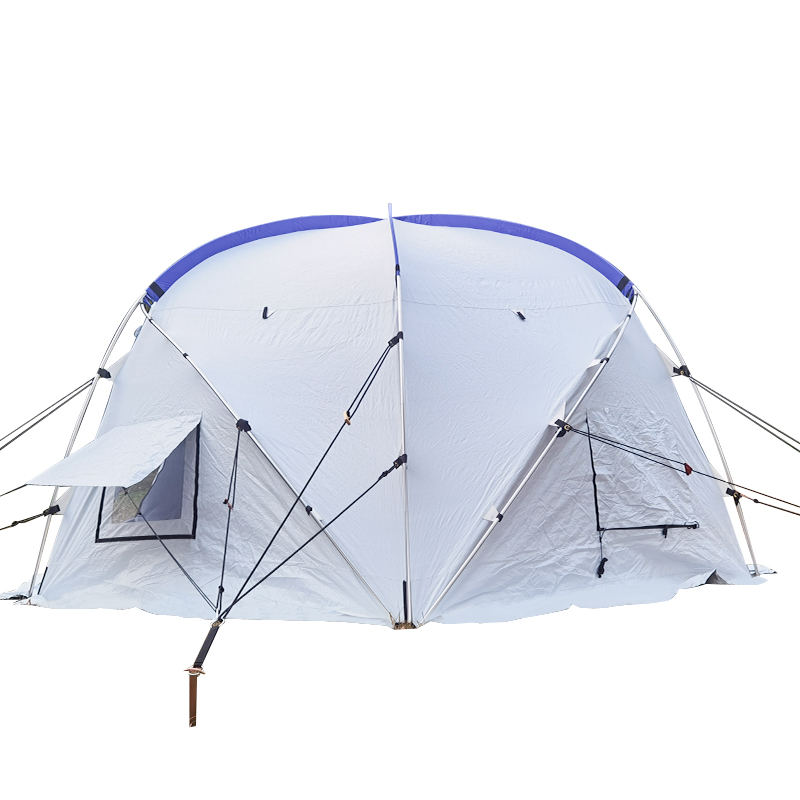
Polyester and nylon are the most common fabrics for family and backpacking tents. A five-person geodesic family tent with a double-wall structure needs the inner tent and flysheet cleaned separately so that the mesh panels do not tear. Use a mild soap solution, rinse with a hose on a gentle setting, and dry in the shade. These fabrics dry quickly, which makes them forgiving for campers who do not have a dedicated drying room.
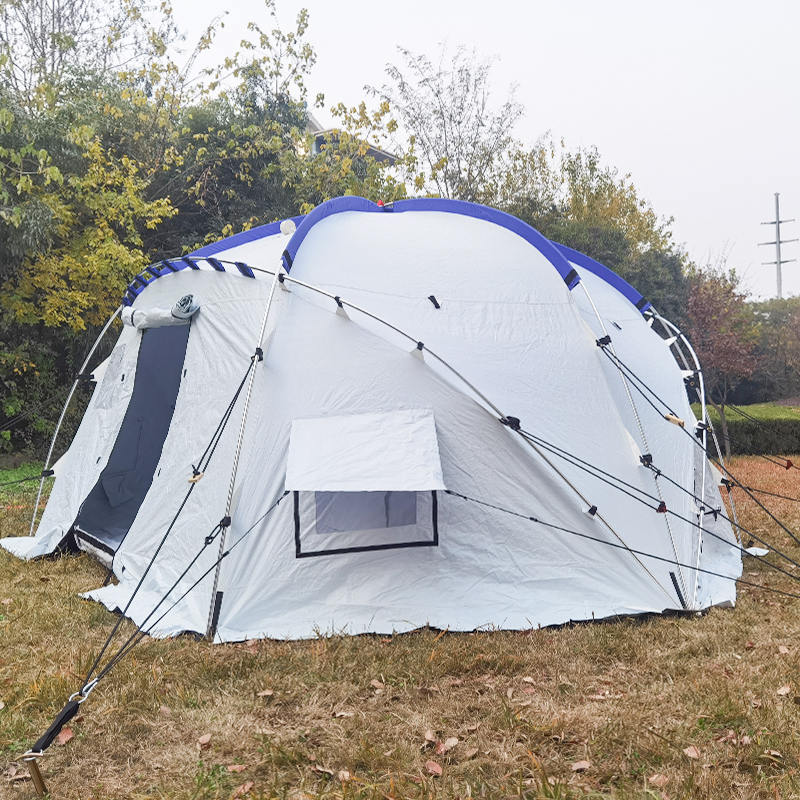 Geodesic Dome Tent 5-Person Self-Standing Geodesic Family Tent Suppliers, FactorMailenda is a China OEM/ODM Geodesic Dome Tent 5-Person Self-Standing Geodesic Family Tent suppliers and custom factory, Specification...View Product →
Canvas is heavier and more absorbent than synthetic fabric, and it needs the most careful washing approach. For a waterproof canvas bell tent, brush away dry dirt before applying any water. Do not use hot water, aggressive detergent, or a pressure washer, because these can shrink the cotton fibres and strip the weatherproofing. Rinse thoroughly and dry slowly in a ventilated space, turning the canvas once to avoid creases.
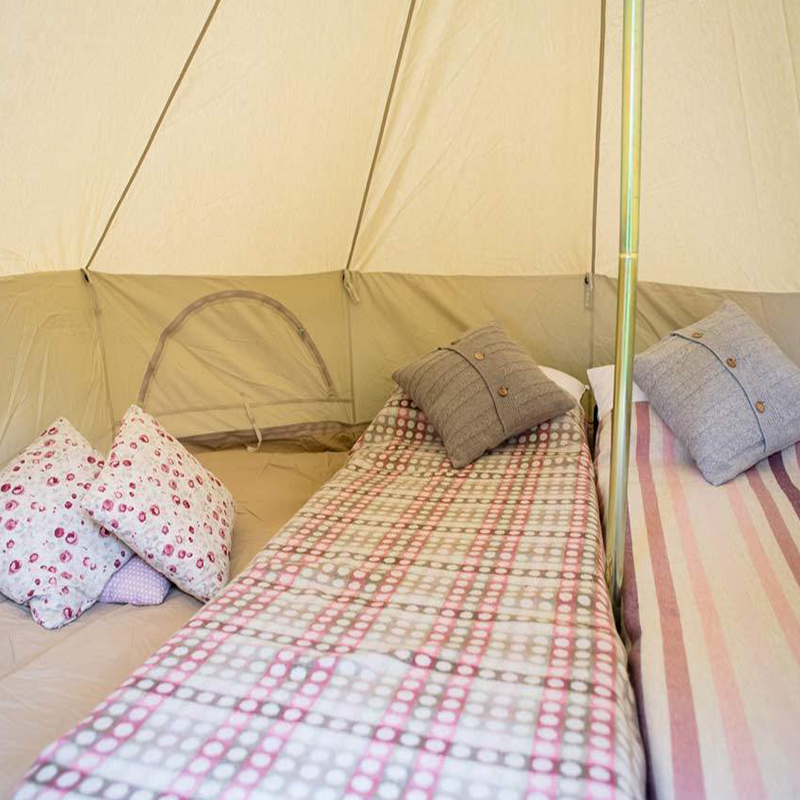 3m Standard Waterproof Bell Tent Camping Tent Suppliers, Factory - Yangzhou MailMailenda is a China OEM/ODM 3m Standard Waterproof Bell Tent Camping Tent suppliers and custom factory, Item No. BES03 Item Name 3m ...View Product →
Inflatable models and PVC/PE shelters are less absorbent, so surface cleaning is straightforward. On an eight-to-ten-person four-season waterproof inflatable camping tent, wipe the fabric with soft microfibre cloths and check the pressure valves when you put the tent back into storage. Avoid sharp objects near the air tubes and keep the hose spray at a distance. The welded seams should be inspected regularly, because any separation can allow rainwater to enter.
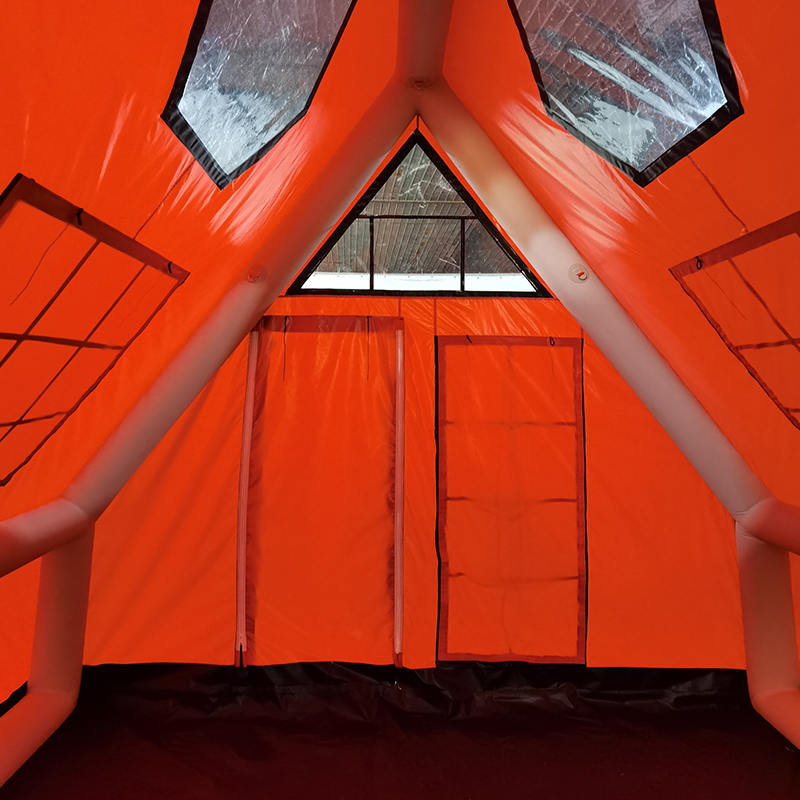 8-10 Person Four Season Waterproof Inflatable Air Tent for Camping Suppliers, FaMailenda is a China OEM/ODM 8-10 Person Four Season Waterproof Inflatable Air Tent for Camping suppliers and custom factory, Item No. ...View Product →
| Tent Fabric | Best Cleaning Method | Main Risk | Drying Guidance |
|---|---|---|---|
| Polyester / Nylon | Mild soap, soft sponge, low-pressure rinse | Harsh detergent stripping coating | Shade, 2–4 hours |
| Cotton Canvas | Soft brush, mild soap, full rinse | Shrinkage and mildew in damp layers | Shade, 12–24 hours |
| PVC / PE | Warm soapy water, microfibre cloth | Creases and weld seam damage | Shade, 3–6 hours |
| Inflatable Tent | Gentle hand wipe around air tubes | Puncturing tube fabric | Shade, 3–5 hours |
Mildew can appear if a tent is packed while damp or stored in a humid cupboard. The dark spots are not only unpleasant; they also weaken the fabric. Acting quickly gives you the best chance of removing the stain without damaging the coating.
Do not use chlorine bleach. It destroys the fabric coating and leaves behind toxic residue. If the mildew has been present for weeks, the stain may remain even after cleaning, but the important part is that the active fungi are removed.
Make sure the tent is bone dry before storage. Store it loosely in a breathable cotton sack instead of a tightly compressed stuff sack. Open the storage bag twice a year in a dry room so trapped moisture can escape.
A deep clean can remove some of the factory-applied water repellent. If water starts to soak into the fabric instead of beading on the surface, it is time to restore the finish. Most tents benefit from a fresh waterproofing treatment once a year, particularly after several heavy washes.
If you regularly buy tents from a tent manufacturer or supplier, ask about the original coating process. Some fabrics are treated at the factory with a specific silicone or polyurethane finish, and the most compatible re-proofing product will depend on that original treatment.
A clean tent is only safe to store when no moisture remains. Fold your tent in a different pattern each time so creases do not settle into permanent weak lines. Avoid folding the tent under heavy gear, as sharp objects and pressure can stress the fabric.
Hang the flysheet, inner tent, and groundsheet separately. Keep them out of direct sunlight. Let air move through vents and doors so the inside of the tent dries as well as the outside. If you have to dry a tent indoors, place it near an open window or use a fan to keep air moving, but never use a tumble dryer.
Store the tent in a large cotton storage sack or a mesh bag. A stuff sack is fine for transport, but long-term storage in a compressed bag can damage the coating and leave permanent wrinkles. Keep the storage bin in a cool, dry place.
Many tents are damaged not by camping but by the way they are cleaned. The table below compares the most common shortcuts with the safer alternative.
| Mistake | Consequence | Correct Habit |
|---|---|---|
| Machine washing | Agitation strips waterproof coating and can tear seams | Hand wash in a tub or use a soft sponge |
| Tumble drying | Heat melts synthetic coatings and shrinks canvas | Air-dry in the shade with good airflow |
| Using bleach or harsh detergent | Damages fibres and leaves harmful residue | Use mild soap and cold water |
| Storing while slightly damp | Mildew appears and weakens fabric | Wait until every seam is dry |
| Scrubbing stains aggressively | Rubs off the waterproof layer | Blot and dab instead of scrubbing |
Cleaning cannot fix every problem. If the fabric has become brittle, the coating is flaking off, or the seams are separating, it is safer to replace the tent. Repair tape can fix minor rips, but large tears in critical areas will compromise weather protection.
Look for these warning signs:
If you are a wholesaler or retailer managing a fleet of rental tents, keep a maintenance log for each unit. A regular inspection after every third rental will catch early damage and reduce the number of tents that need replacement.
How to clean a tent that has a musty smell?Wash the tent with a mild vinegar and water solution, rinse thoroughly, and dry it completely in a shaded, ventilated area. For persistent odours, sprinkle baking soda on the dry fabric, leave it for a few hours, then brush it off before storing. |
Can you wash a tent in a washing machine?No. A washing machine tumbles the fabric, bends the poles, and strips the waterproof coating. Hand washing gives you full control and protects the taped seams. If the tent is too large, clean it flat on a smooth surface with a sponge. |
How to clean a tent without stripping the waterproof coating?Use cool or lukewarm water, a small amount of mild soap, and a soft cloth. Avoid bleach, fabric softener, dish soap, and pressure washers. Rinse completely and re-apply a water-repellent spray if the beading effect has weakened. |
How often should you clean a tent?After every trip, brush off loose dirt and allow the tent to air out. Do a full hand wash once per season or whenever the tent has been exposed to heavy mud, salt, or long rain. Clean the tent before putting it into long-term storage. |
Can I use a pressure washer to clean a tent?A pressure washer is too aggressive for tent fabric. The high-pressure stream can force water through seams, damage the coating, and even create small holes. Use a garden hose with a gentle spray nozzle instead. |
Cleaning is only one part of responsible tent ownership. Understanding how a tent is designed, how the fabric behaves, and what makes each style different helps you choose the right model and maintain it correctly.
For a broader look at keeping a tent in
good shape, read the camping tent
technical care guide covering setup,
ventilation, and daily maintenance.
If you are comparing cleaning routines
for air tents, the article on inflatable
tents as a camping favourite explains
the practical differences from pole tents.
Before choosing your next shelter,
review the key family tent characteristics
that affect comfort, drying speed, and
overall durability.
Keeping a tent clean is a simple habit that pays off in comfort, safety, and a longer product life. Whether you use a compact backpacking tent, a large family dome, or a heavy-duty canvas model, the same principles apply: use mild soap, rinse thoroughly, dry completely, and store loosely. If you are in the market for a new tent, look for models with quality fabric, sealed seams, and clear care instructions so that cleaning stays easy for many seasons.
Related Products

Our story is about how to uphold the spirit of humanitarianism in the face of disaster, how to find solutions amidst challenges, and how to sow hope in despair.
Copyright © Yangzhou Mailenda Outdoor Products Co., Ltd.
All Rights Reserved.
Custom Tent OEM/ODM Manufacturers


