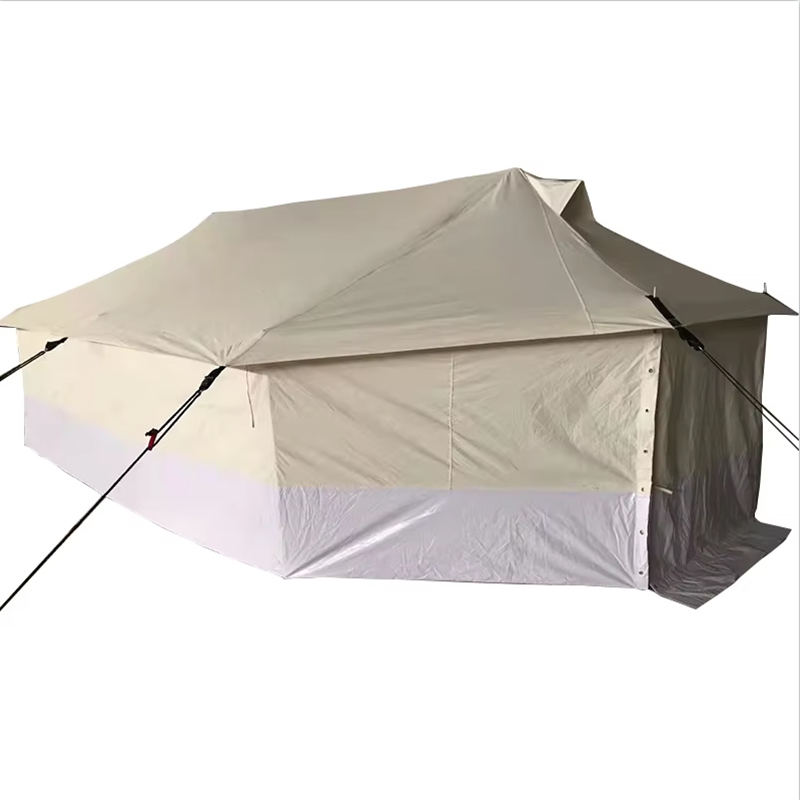
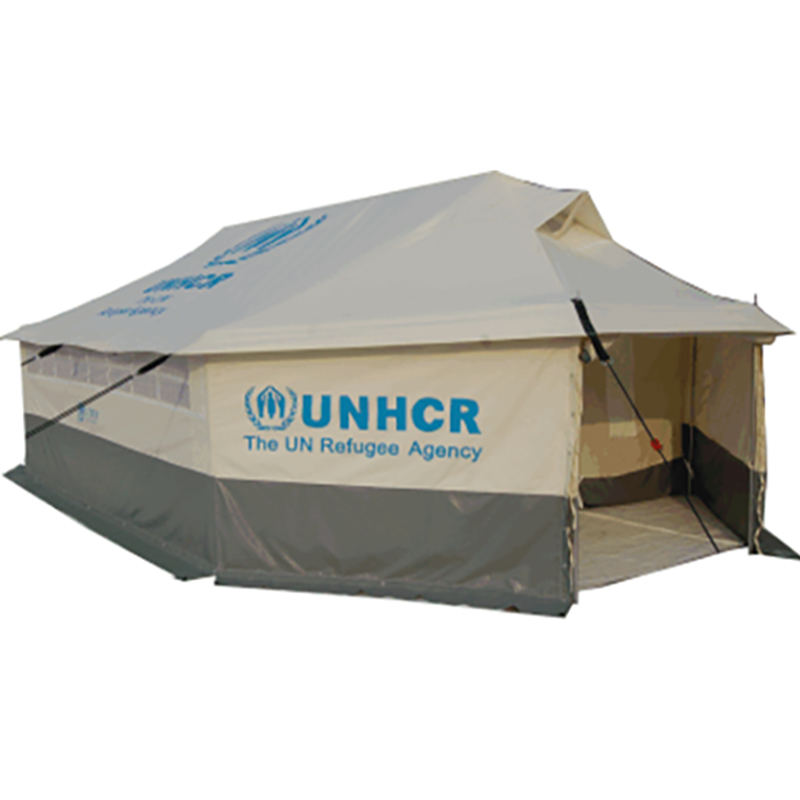
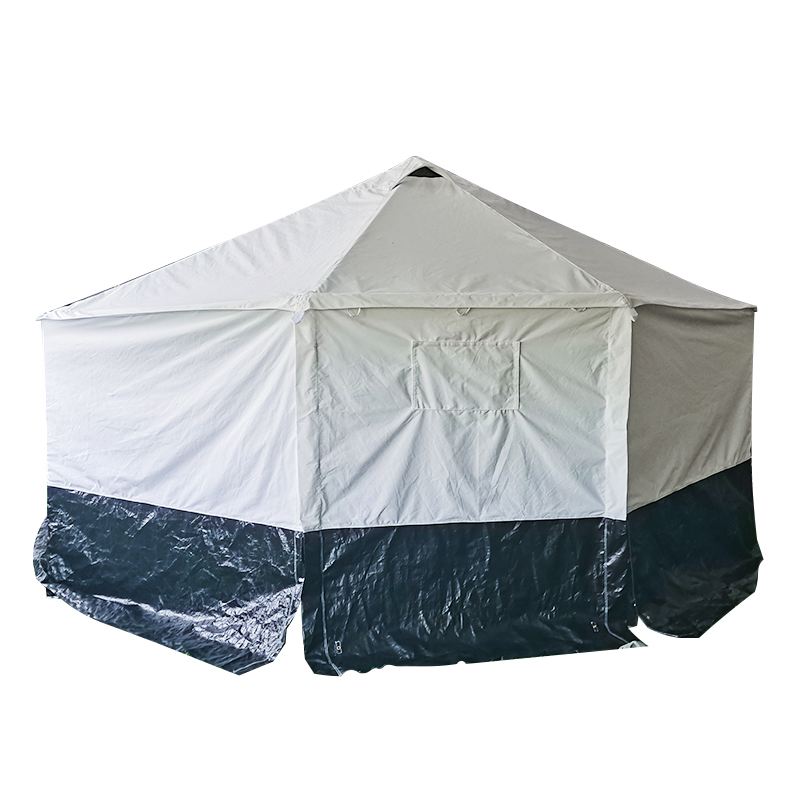
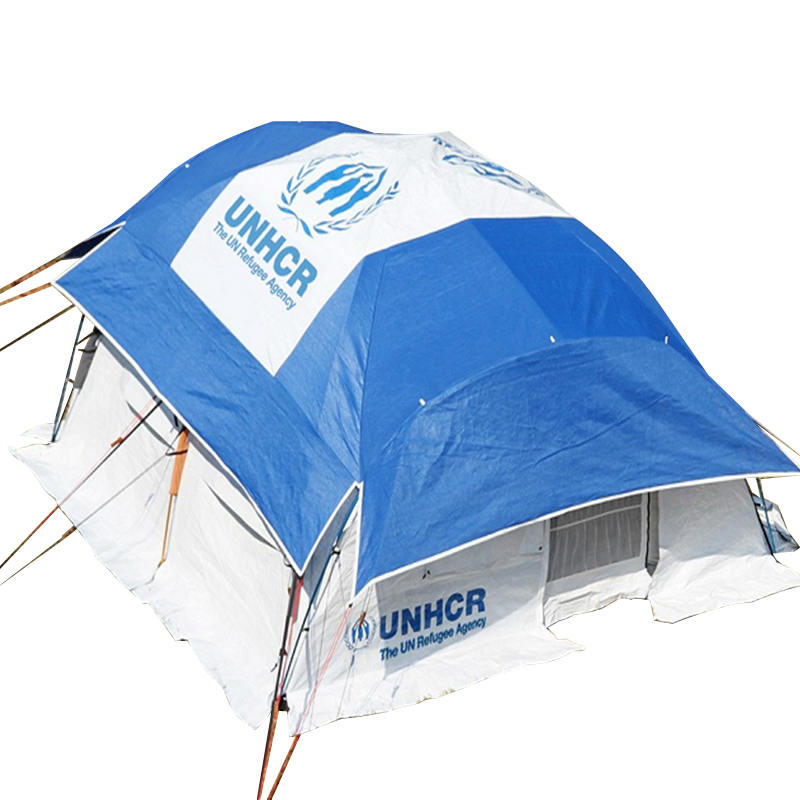
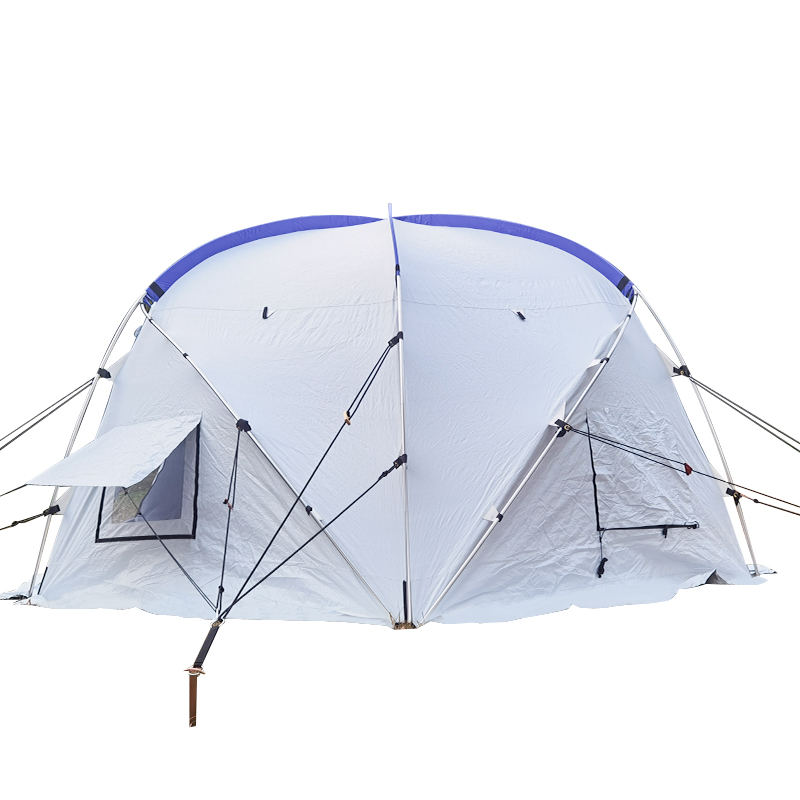
When disaster strikes, shelter quality is not a preference — it is a matter of survival. TheIFRC/ICRC Standard 5-Person Family Tent with Inner Liner is purpose-built to meet humanitarian specifications that ordinary camping tents simply cannot fulfill. From structural durability to thermal insulation, from quick deployment to all-weather protection, the gap between an IFRC emergency family tent and a recreational camping tent is significant and measurable. This article breaks down the core differences, supports them with data, and helps procurement officers, relief organizations, and informed buyers understand exactly why a waterproof humanitarian tent is the right choice in emergency settings.
What Is the IFRC/ICRC Standard and Why Does It Matter
The International Federation of Red Cross and Red Crescent Societies (IFRC) and the International Committee of the Red Cross (ICRC) have developed rigorous procurement standards for emergency shelters. An ICRC 5-person disaster tent must pass tests covering wind resistance, rain penetration, UV degradation, and fabric tensile strength — standards that typical outdoor brands do not target.
Key criteria under the IFRC/ICRC framework include:
Outer fabric: minimum 250 g/m² PVC or equivalent, UV-resistant and flame-retardant
Inner liner: separate insulating layer improving thermal performance by 8–12°C
Floor area: minimum 17.5 m² for a 5-person unit
Wind resistance: certified for sustained winds up to 80 km/h
Waterproof rating: minimum 3,000 mm hydrostatic head pressure
A standard camping tent often targets hikers carrying minimal weight, optimizing for packability at the expense of structural resilience. A durable field tent for families under humanitarian specifications does the opposite — it prioritizes longevity, occupant safety, and harsh-climate performance.
Performance Comparison: IFRC Emergency Tent vs Regular Camping Tent
The table below summarizes the most critical technical differences between an emergency relief shelter tent and a standard recreational camping tent:
Table 1: Technical comparison between IFRC-standard emergency tents and regular camping tents
Figure 1: Waterproof performance gap between tent categories
The Inner Liner: A Feature That Changes Everything
The family tent with inner liner specification is one of the clearest differentiators. In disaster and refugee settings, occupants live in the shelter around the clock — not just overnight. The inner liner system creates an air gap between the outer shell and the living space, which:
Reduces interior temperature by 8–12°C in hot climates
Retains heat by up to 6°C in cold environments
Controls condensation, reducing interior moisture by approximately 40%
A standard camping tent is designed for 6–8 hours of sleep in mild conditions. A refugee relief family tent must function as a living space for weeks or months, often in climates ranging from sub-zero winters to 45°C summer heat. The inner liner is not optional — it is foundational to habitability.
Interior Temperature Difference: With vs Without Inner Liner (°C)
Figure 2: Relative thermal comfort improvement across seasonal conditions
All-Weather Durability Built for Real Emergencies
An all-weather 5-person tent certified to humanitarian standards must perform across a broad range of environmental challenges. Field data from deployments in Sub-Saharan Africa, South and Southeast Asia, and Eastern Europe consistently shows that general camping shelters fail within the first two seasons when used as primary disaster housing.
Fabric and Structural Engineering
The outer shell of an emergency relief shelter tent is typically manufactured from 250–320 g/m² PVC-coated polyester, which resists UV degradation for 3–5 years of continuous outdoor exposure. Steel or galvanized aluminum poles are used instead of fiberglass, providing load-bearing capacity even under snow accumulation. Seams are heat-welded or hot-air sealed to eliminate leakage points — a process used in industrial-grade inflatable structures, not in consumer tent manufacturing.
Ground Anchoring System
A portable disaster shelter tent under IFRC specifications includes a heavy-duty anchor system: steel tent pegs (minimum 30 cm length), reinforced guylines at multiple anchor points, and a sewn-in groundsheet with a waterproof rating exceeding 10,000 mm. In contrast, lightweight camping tents often rely on thin aluminum stakes and thin cord that can pull out of soft or wet ground under sustained wind.
Key Durability Metrics: IFRC Tent vs Camping Tent (Score out of 10)
Figure 3: Comparative durability scores across five performance dimensions
Easy Setup Without Sacrificing Structural Integrity
A common misconception is that an easy setup emergency tent must compromise on robustness. Modern IFRC-compliant tents are engineered so that a team of two to three people can complete full assembly — including inner liner, anchor system, and ventilation setup — in under 30 minutes without specialized tools.
Humanitarian procurement guidelines require that setup instructions be illustrated and language-free, so non-specialist volunteers can deploy shelters effectively in any country. Key design features that enable rapid assembly include:
Color-coded pole sleeves and connection points
Pre-attached guylines with tension indicators
Snap-lock aluminum or galvanized steel pole joints
Numbered peg positions and inner liner clip system
In large-scale disaster response operations, the ability to erect 50 or more shelters per day — each to a reliable standard — is an operational necessity. A camping tent's faster solo-setup time is largely irrelevant when field logistics require consistent, verifiable results.
Safety Standards: Flame Retardancy and Chemical Compliance
In crowded humanitarian settings, fire risk is elevated. Cooking, lighting, and heating equipment in close proximity to fabric shelters can create dangerous conditions. The waterproof humanitarian tent must pass standardized flame-retardancy tests, typically CPAI-84 or European EN ISO 12952 standards, ensuring the fabric self-extinguishes rather than sustaining combustion.
Additionally, fabrics used in humanitarian-grade tents must comply with REACH regulations (EU) or equivalent, ensuring that no harmful chemical residues are present in the PVC or coating layers. This matters especially in contexts where children and vulnerable populations are living inside the shelter for extended periods.
Most consumer camping tents are tested only for basic UV exposure and water resistance; flame-retardant certification is rarely included in the standard product specification. For organizations procuring shelters for refugee relief family tent programs, this difference is not a minor technicality — it is a life-safety requirement.
Radar Comparison: Emergency Tent vs Camping Tent Across Six Dimensions
The radar chart below illustrates how an IFRC emergency family tent and a typical recreational camping tent compare across six critical performance dimensions. Scores are normalized on a scale of 0 to 10.
Figure 4: Radar chart — performance profile comparison across six dimensions
Humanitarian Supply Chain and Procurement Advantages
Procurement of ICRC 5-person disaster tents through certified manufacturers offers logistics advantages that consumer camping brands cannot match. These include:
Pallet-optimized packaging: IFRC-compliant tents are packed in standardized cartons sized for ISO container and air-freight pallet efficiency, reducing per-unit shipping cost by 15–25% compared to irregular retail packaging
Lot traceability: Manufacturing batch numbers, material certificates, and factory audit documentation are required, enabling full supply chain transparency
Bulk pricing tiers: Factories supplying humanitarian markets produce at scale, with structured pricing for orders of 100, 500, and 1,000+ units
Pre-qualification: Suppliers registered on UN Global Marketplace (UNGM) or holding IFRC/UNHCR approval have already undergone factory audits and product testing
Units Per 20ft Container: Packaging Efficiency
Figure 5: Container utilization — humanitarian packaging vs retail packaging
Long-Term Cost Efficiency: Total Cost of Ownership
Organizations focused only on unit acquisition cost often underestimate the total cost of ownership (TCO) of emergency shelter programs. A durable field tent for families certified to IFRC standards may cost 2–3 times more at purchase than a comparable consumer tent, but the operational economics favor the higher-specification product in sustained deployments.
Consider a 24-month deployment scenario for 500 families:
Consumer camping tents typically require replacement after 12–18 months of continuous field use, effectively doubling procurement cost over 2 years
IFRC-spec tents, maintained with basic repair kits (included in the original package), routinely last 3–5 years in the same conditions
Redeployment value: a humanitarian-grade shelter can be reused across multiple emergency operations, while consumer camping tents are typically not redeployable after extended field use
Health-related costs tied to poor insulation or shelter failure (medical, resettlement) are not captured in tent procurement budgets but are real system costs
When calculated over a 3-year program horizon, an IFRC emergency family tent typically delivers 30–45% lower total cost compared to cycling through multiple rounds of lower-quality camping shelters.
About Yangzhou Mailenda Outdoor Products Co., Ltd.
Yangzhou Mailenda Outdoor Products Co., Ltd. is an international trade enterprise combined with factory, specializing in the manufacturing of all kinds of relief tent, inflatable tent, party tent, carport and warehouse tent, and more. The company operates advanced machines, including automatic cutting machines, laser machines, automatic cutting tables, automatic welding machines, high-frequency machines, hot air machines, and hot air seam sealing machines.
Mailenda is among the earliest factories in China to engage in PVC party tent and humanitarian shelter products. The company team has been active in the industry for more than 20 years and holds extensive experience working with PE, PVC, TPU, polyester-cotton fabric, steel, aluminum, and other materials. The company has a strong track record in international bidding and cooperation with supermarkets, with products exported to dozens of countries and regions including Germany, the United States, Japan, the United Kingdom, Spain, Italy, Canada, and Chile. Its customer base includes United Nations agencies, humanitarian organizations, and many well-known supermarket chains.
Frequently Asked Questions
Q1. What does "IFRC/ICRC Standard" mean for a 5-person family tent?
It refers to the technical procurement specifications developed by the International Federation of Red Cross and Red Crescent Societies and the ICRC, covering minimum requirements for fabric weight, waterproofing, flame retardancy, floor area, wind resistance, and inner liner thermal performance. Tents meeting this standard are considered suitable for use as primary disaster shelters.
Q2. Can the inner liner be removed in warm climates?
Yes. The inner liner in a family tent with inner liner design is typically attached by a clip system and can be detached and stored separately. This makes the shelter adaptable for both hot-climate and cold-climate deployments using the same outer structure.
Q3. How long does a humanitarian-grade field tent typically last under continuous outdoor use?
Under field conditions with routine maintenance, a durable field tent for families meeting IFRC specifications is expected to remain serviceable for 3 to 5 years. Fabric seams, zipper sliders, and anchor systems are the most common maintenance points and are generally replaceable with included repair kits.
Q4. Is an IFRC emergency tent suitable for non-disaster use such as field camps or remote work sites?
Absolutely. The structural and weatherproofing qualities that make an all-weather 5-person tent suitable for disaster response also make it well-suited for remote field camps, construction site accommodation, and extended outdoor work environments where occupant safety and long-term durability matter.
Q5. What documentation is typically available from a certified manufacturer?
A reputable supplier of IFRC emergency family tents should be able to provide material test certificates, flame-retardancy certification, waterproof test reports, factory audit documentation, and product samples or pre-shipment inspection reports upon request. These documents support UN and NGO procurement processes.
Q6. What is the minimum viable order quantity for a portable disaster shelter tent?
Minimum order quantities vary by manufacturer, but most factories specializing in humanitarian shelter products accept orders from 50 to 100 units for initial procurement, with full container loads (typically 100–200 units depending on specification) attracting optimized unit logistics.