

 English
 中文简体
中文简体 Español
 日本語
日本語 русский
 عربى
عربى




TO SHELTER ALL, TO SMILE ALL.
Our story is about how to uphold the spirit of humanitarianism in the face of disaster, how to find solutions amidst challenges, and how to sow hope in despair.
Content
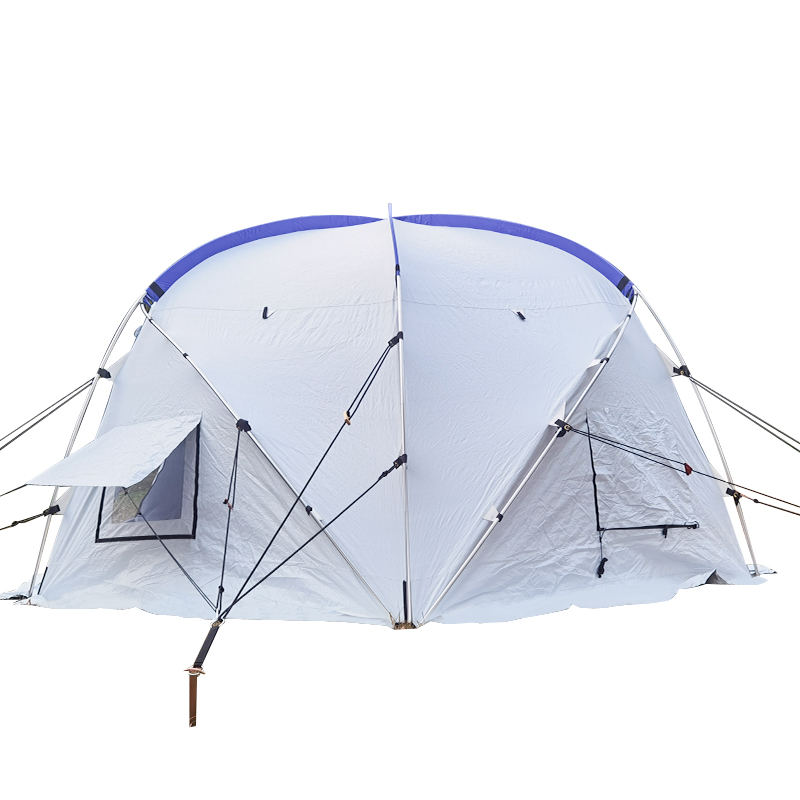
In the world of temporary structures, the Inflatable Tent represents a paradigm shift in deployment speed and structural resilience. By replacing traditional heavy metal or fiberglass poles with high-pressure "AirBeams," these structures can be erected in a fraction of the time required for conventional frames. This technology has transcended the leisure market and is now a critical asset in emergency medical relief, military command centers, and high-end event hosting.
The most common question from logistics managers and outdoor enthusiasts is: "Can an air-filled structure truly withstand high winds?" The answer lies in the physics of dynamic flexibility. While a metal pole may snap or deform under extreme stress, an inflatable beam flexes with the wind and returns to its original shape, offering superior survival characteristics in gale-force conditions.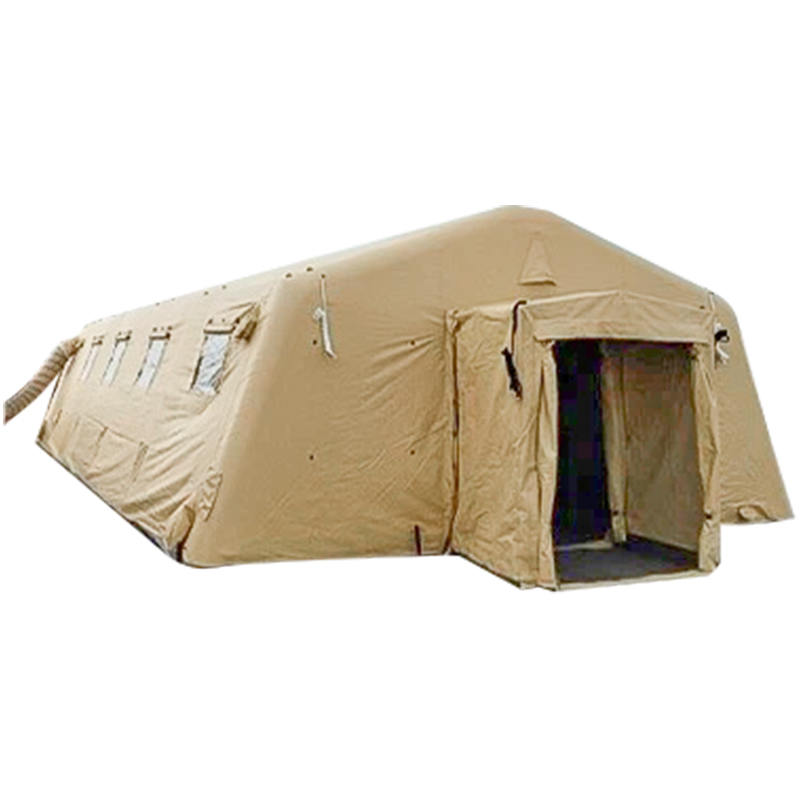
The core of an Inflatable Tent's performance is the PSI (pounds per square inch) capacity of its air tubes and the durability of the outer sleeve. High-performance models utilize a "Double Skin" system where a TPU (Thermoplastic Polyurethane) bladder is encased in a high-tenacity polyester sleeve to prevent punctures and handle internal pressures of up to 10 PSI.
| Feature | Inflatable AirBeam System | Aluminum Frame System |
|---|---|---|
| Setup Time (Large Scale) | 5 - 15 Minutes | 45 - 90 Minutes |
| Wind Behavior | Flexes and Recovers | Potential for Bending/Snapping |
| Structural Weight | Low (No Metal Parts) | High (Heavy Frame Components) |
| Maintenance | Modular Bladder Replacement | Complex Pole Repair |
Our inflatable structures utilize a One-Go Inflation System, allowing the entire tent to be pressurized from a single valve. This is complemented by an over-pressure relief valve that automatically releases air if the internal pressure exceeds safe limits due to high temperatures or over-inflation, ensuring structural safety at all times.
The primary economic benefit of an inflatable tent is the massive reduction in labor costs. Because the structure "builds itself" once the pump is activated, a single operator can manage the setup of a large-scale event or emergency shelter. This reduces on-site personnel requirements by up to 70%, allowing teams to focus on internal configuration and equipment setup rather than struggling with heavy frames.
The thick air columns of an inflatable tent act as a natural thermal buffer. Air is an excellent insulator, and the large-diameter beams provide a layer of separation between the external environment and the interior space. This makes inflatable tents significantly easier to heat or cool with portable HVAC systems, further increasing their utility for medical clinics or premium glamping resorts.
The Inflatable Tent has evolved from a novel concept into a robust, industrial-grade solution for the 21st century. By combining high-pressure AirBeam technology with advanced polymer science, these structures provide the perfect balance of speed, strength, and comfort.
Whether you are a festival organizer seeking a visually striking marquee, a government agency requiring immediate disaster relief housing, or a camper looking for a stress-free weekend, inflatable technology offers a definitive advantage. As material science continues to improve, the gap between temporary and permanent structures narrows, making the inflatable tent an essential tool for any organization that values agility and reliability in the field.
Related Products

Our story is about how to uphold the spirit of humanitarianism in the face of disaster, how to find solutions amidst challenges, and how to sow hope in despair.
Copyright © Yangzhou Mailenda Outdoor Products Co., Ltd.
All Rights Reserved.
Custom Tent OEM/ODM Manufacturers


