

 English
 中文简体
 Español
 日本語
 русский
 عربى
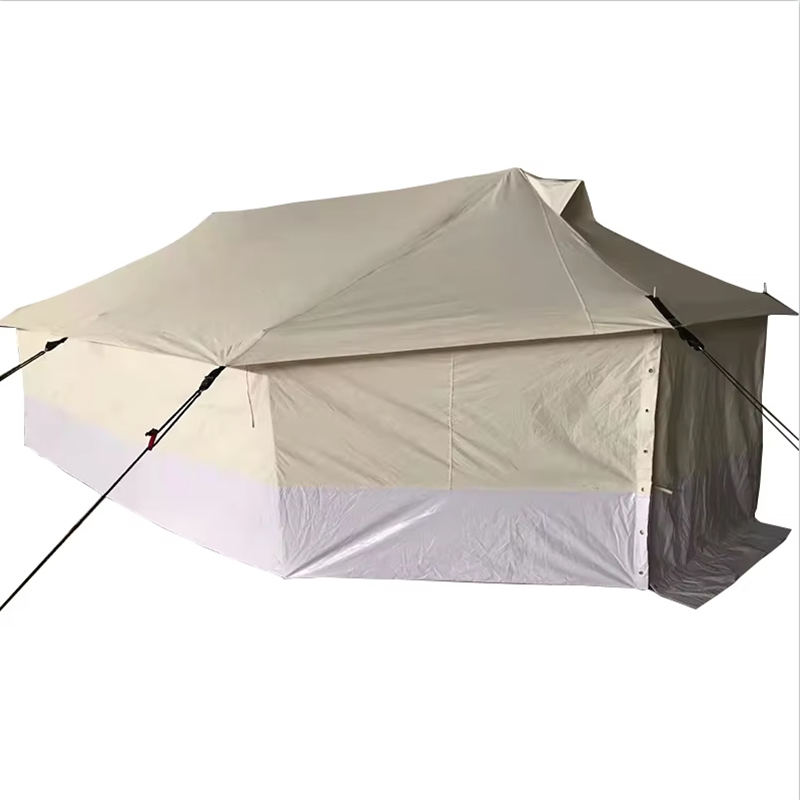

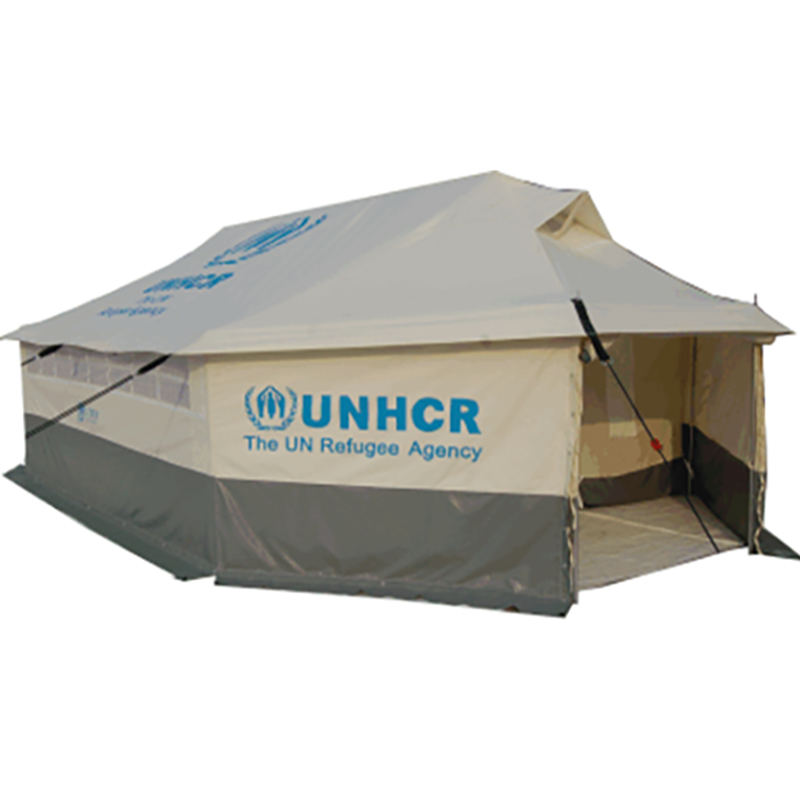
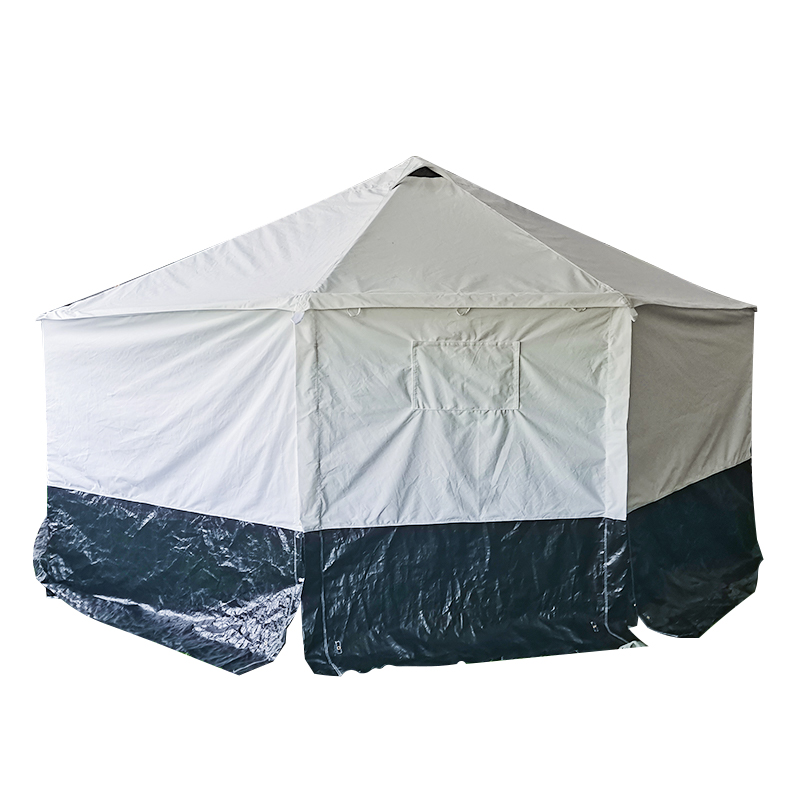
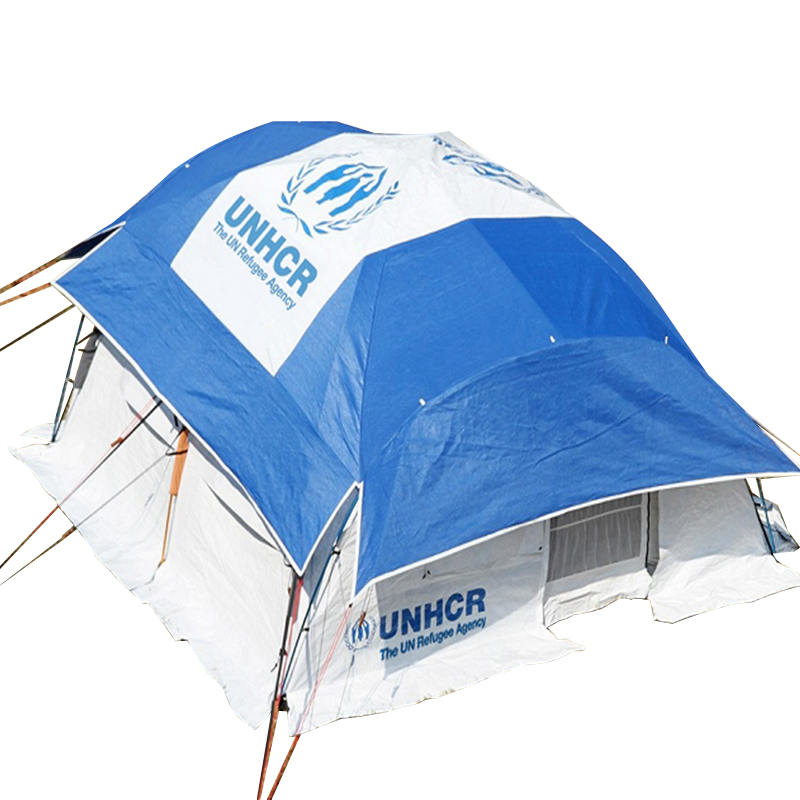


TO SHELTER ALL, TO SMILE ALL.
Our story is about how to uphold the spirit of humanitarianism in the face of disaster, how to find solutions amidst challenges, and how to sow hope in despair.
Content
Put two folding chairs, a small table and a lantern into a four-person dome tent and something usually gives: the door will not zip, someone's shoulders press against the inner tent, or a chair leg pushes through the groundsheet. Retailers who sell shelters and seating side by side hear this complaint every season, and it almost never points to a manufacturing fault. It points to a tent chair that was chosen without checking a few basic numbers.
That is the practical problem this article addresses. Mailenda is a tent manufacturer based in Yangzhou, China, and our side of the equation is the shelter, not the seat. We build family tents, relief and emergency tents, canvas bell tents, inflatable camping tents, party marquees and storage halls, and we spend a great deal of time answering the same question from buyers: which chairs will actually work with these tents, and how much room does one person need in order to sit down properly inside one? The answer is far more measurable than most people expect.
What follows is written for people who have to make a purchasing decision rather than a hobbyist browsing on a Sunday afternoon. You will find working figures, a measurement table, material notes, an experience-based weighting of what drives comfort inside a shelter, and the checks we would run before a container of tents and camping furniture ships together. Whether you buy for a retail chain, an import business, an event rental company or a relief programme, the order of priority stays the same: fit first, price second, appearance third.
The phrase covers at least three different products, and confusing them is the quickest way to buy the wrong item. When a buyer sends us a brief, the first thing we ask is which of these three they mean, because the specification, the testing and the price band are completely different for each.
Most purchasing mistakes happen when a buyer treats all three as one category. A retail chain may order a container of canopy chairs, then discover that the chairs are too tall to be used under the porch of the family tents sold in the same aisle, and the marketing plan that promised a coordinated display falls apart. A relief programme may specify chairs for family tents without checking that the chairs fold flat enough to be stored inside the tent during the day, which turns a useful item into an obstacle.
If you sell both categories, the coordination problem is yours to solve. If you only sell tents, the value of understanding chairs is that you can answer the customer's next question instead of losing the sale to someone who can.
Most tent chair complaints are fit problems, not quality problems, and fit is decided by four numbers: seat height, chair footprint, door clearance and available headroom.
If you are building a product range around a tent platform, decide the shelter first and let the seating follow. Tents are expensive to retool, they carry certification work and they sit at the centre of the customer's purchase; chairs are cheaper, faster to change and easier to customise. Getting this order right saves money and avoids the awkward situation where a beautiful chair cannot be used with the tent it was designed to sit beside.
Three working rules cover the majority of cases:
The reason these rules matter is condensation and abrasion as much as comfort. A chair that touches the inner tent will wet the fabric at the contact point, and a wet inner wall transfers moisture to a sleeping bag within an hour or two on a cold night. A chair that rubs the groundsheet creates wear points that show up long after the warranty conversation has ended, which is the worst possible timing for both the brand and the retailer.
There is also a commercial argument. Buyers increasingly want to source shelters and camping furniture from a single supplier, because one purchase order, one inspection, one container and one set of documents is cheaper than four of each. A supplier who can explain the fit parameters, even when the chairs come from a partner factory, is more likely to keep that combined order than one who only quotes a price per unit.
Fix the shelter first, then choose the tent chair: 15 to 25 cm of head clearance, 15 cm of side clearance and 0.3 to 0.4 square metres of seated footprint per person will prevent most fit-related returns.
Ambiguous briefs are the root of most quality disputes, so it helps to put numbers on paper before a sample is made. The table below lists the measurements we would normally agree with a buyer during sampling. The figures are working ranges drawn from common product configurations and customer feedback; they are not mandatory standards, and every project should be confirmed against the actual sample and the actual shelter.
| Measurement | Where to measure | Working range | What goes wrong when it is ignored |
|---|---|---|---|
| Seat height | Floor to the top of the compressed seat fabric | 32 to 45 cm | Low seats make standing up difficult inside a low shelter; high seats push knees into the door |
| Backrest top height | Floor to the highest point of the backrest | 75 to 110 cm | A tall backrest collides with sloping roofs and inner tent fabric |
| Chair footprint when open | Widest point across the legs or armrests | 50 to 70 cm per side | The chair fits through the door but not between the two sleepers |
| Tent sidewall height | Floor to the point where the roof begins to slope | Height-dependent; check the drawing | Comfort is judged at the slope, not at the peak |
| Door opening width and height | Clear opening including the zipped flap | Height-dependent; check the drawing | Chairs are carried in tilted, so the diagonal matters more than the width |
| Usable floor area per person | Inside floor area divided by occupants | 1.2 to 2.0 square metres | Sleeping mats plus chairs overfill a tent that looked generous on paper |
| Canopy clearance on shade chairs | Floor to the underside of the roof frame | 125 to 160 cm | The chair cannot be used under a porch or inside a large tent |
Two of these rows deserve a longer comment, because they cause the most argument.
People carry a folded chair through a door at an angle, so the usable opening is the diagonal of the rectangle formed by the door width and door height, reduced by the thickness of the flap and any mesh layer. A chair that is 96 cm long folded will usually pass through a door 65 cm wide and 130 cm tall, but it will not pass through the same width with a 110 cm height. Allow at least 10 cm of margin on the diagonal, because fabric doors lose a few centimetres when the zip is under tension.
Advertised floor dimensions are measured at the groundsheet edge. In practice, sloping walls, internal pole sleeves, storage pockets and the inner liner all take space, and a five-person tent rarely offers a clean rectangle for five people plus furniture. For anyone buying for a rental fleet or a relief programme, it is worth working from 75 to 85 percent of the stated floor area as a realistic planning figure. Our own product pages list nominal dimensions, and we always recommend a sample pitch before a bulk decision.
If you want to go deeper on shelter specification, the technical manual for camping tents on our site walks through the fabric, pole and seam details that sit behind these numbers.
Agree the measurement table before sampling, and remember that door clearance is a diagonal calculation and usable floor area is typically 75 to 85 percent of the stated figure.
A buyer who already understands tent materials is most of the way to understanding chair materials, and this is where a tent manufacturer can add real value to a seating brief. The same families of material appear on both sides of the purchase: steel, aluminium, coated polyester, PVC, canvas and the coatings that make them water resistant.
Galvanised or powder-coated steel tube in the 16 to 22 mm range is the default for value-focused folding chairs because it is stiff, cheap and predictable in welding. The trade-off is weight and corrosion risk. On a coast, or in a relief programme where goods are stored in humid warehouses, powder coating quality and salt spray performance matter more than tube diameter. A chair sold into the same market as a galvanised frame tent should be tested to a similar corrosion expectation so that one product does not fail several years before the other.
Aluminium is roughly a third lighter for comparable stiffness, which matters for anything that will be carried rather than stored. It costs more per unit and puts more load on the joint design, so the quality conversation shifts from the tube to the rivets, the corner mouldings and the wall thickness at the connection points. Thicker tube with a thinner wall is not automatically better; the shape of the profile usually matters more than the raw number.
On the tent side we work with PE, PVC, TPU, polyester-cotton blends, HDPE woven sheet and coated polyester, and the same knowledge transfers directly. A 600D polyester chair fabric with a PVC backing is durable and easy to clean; a lighter 300D fabric with a PU coating is softer and packs smaller; a canvas seat and back breathes better in heat and looks more appropriate next to a cotton canvas bell tent. If a retail range is built around a canvas shelter, a matching canvas chair looks intentional, while a bright nylon chair next to it looks like an afterthought.
Colour matching is a practical detail that gets overlooked. Two factories buying "sand" or "olive" from different dye lots produce two products that look wrong together under retail lighting. On combined orders we cut fabrics to the same reference card where possible, and where the seating is produced elsewhere we ask for lab dips against the tent fabric sample before bulk. It is a small step that prevents a very visible problem.
From the manufacturing side, the equipment that makes tent seams reliable also informs chair work. High frequency welding, hot air sealing machines, laser cutting and automatic cutting tables all exist to deliver consistent, repeatable joints in coated fabric. Chair seat panels are simpler than tent seams, but the same discipline applies: a straight stitch line with tight tolerance and a reinforced bar tack at every stress point.
Chairs and tents sold together should share a material and colour logic, and corrosion performance on the chair frame should be specified to match the environment the tent is designed for.
Comfort is often treated as a matter of padding, but inside a shelter the biggest factor is geometry. Before ordering chairs for a tent range, it helps to see which physical variables buyers actually complain about once the products are in use.
The weighting below is not a laboratory result. It is a practical ranking drawn from retailer feedback, warranty conversations and procurement questions, and it is offered as a starting point for a specification discussion rather than a fixed standard.
Experience-based weighting of factors behind seating discomfort inside a tent (%)
Weighting based on retailer and procurement feedback; treat as a discussion aid, not a measured index.
The chart points in a direction that is useful for product planning. Headroom and door geometry together account for roughly half of the reported discomfort, which means the fix usually sits in the tent design or in the way the two products are specified together rather than in the chair's padding. A shelter with a near-vertical sidewall and a tall door solves more complaints than a more expensive chair does.
For our own product line, this is why the family tent category and the multipurpose tent category use different sidewall proportions. A five-person geodesic dome tent prioritises wind resistance and a compact footprint, which means the roof slope starts low; the interior is best used for sleeping and sitting low, not for upright armchairs. Larger hub-style and base tents, and the inflatable rapid-deployment range with straight walls, offer the vertical space where a proper chair can be used without touching fabric.
Groundsheet protection sits in the middle of the ranking for a reason. It is rarely the first complaint, but it is one of the most expensive, because a torn floor usually means the whole tent comes back. The cheapest countermeasure is a simple one: specify chair feet with a rounded or capped profile, or supply a small protective mat in the same shipment. Buyers sourcing relief tents and plastic tarpaulins together already have the material for that mat in the order.
Ventilation is the factor that people underestimate until they spend a cold night in a sealed shelter after sitting inside it for two hours. A person seated in a tent produces moisture, and a shelter with limited low-level venting will show condensation on the inner wall by morning. That moisture then wets whatever touches the wall, including a chair back. It is a small argument for choosing shelters with two vents at different heights, which is a design point we build into most of our camping and multipurpose models.
Headroom and door geometry drive roughly half of all seating discomfort, so invest in straight sidewalls and generous door openings before spending more on the chair itself.
Different camping styles put different demands on the relationship between seating and shelter. The notes below group the common cases and connect each one to the type of shelter we would normally recommend for it.
A family of four or five typically wants to sit inside the tent in the evening, eat a snack, read and get children settled. The limiting factor is not the floor area but the roof slope. In a dome design, the practical advice is to place chairs along the centre line rather than against the walls, and to choose low-back or mid-back chairs that allow a relaxed posture. A chair with a 110 cm backrest will touch the fly sheet in most five-person domes; a 75 to 85 cm backrest will not.
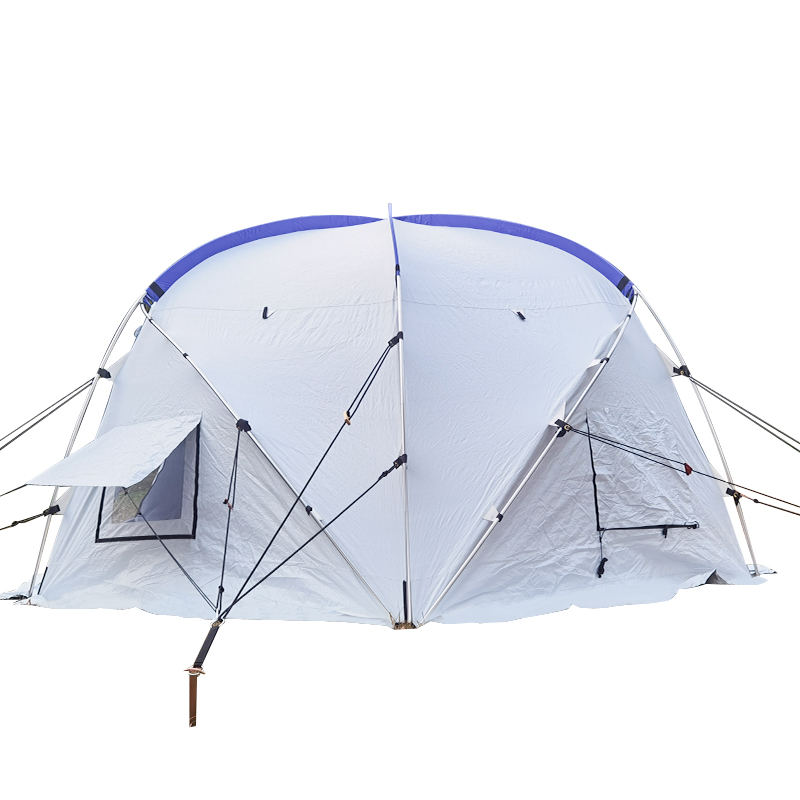
 Geodesic 5-Person Self-Standing Family Dome TentFive-person rapid-deployment dome shelter with crossed-pole geometry, two-layer construction and all-season options, suited to family relief use and compact interior seating.View Product →
Self-standing geodesic domes are a good example of how structure affects seating. The crossed pole geometry gives excellent wind performance and a small packed size, and it also creates a floor plan where the widest usable headroom is in the middle. Retailers selling into this category do well with compact chairs and low tables, and poorly with full-size armchairs, regardless of how much padding those armchairs have.
Canvas shelters behave differently. A well-pitched bell tent or a large cotton canvas tent has high walls and a steep roof, so upright chairs are comfortable and even a small table works. The mismatch here is stylistic rather than dimensional: a technical nylon chair with bright webbing looks out of place in a canvas setting, and buyers notice. Canvas seats, wooden armrests and muted colours sell better alongside this category, and the material logic discussed earlier applies directly.
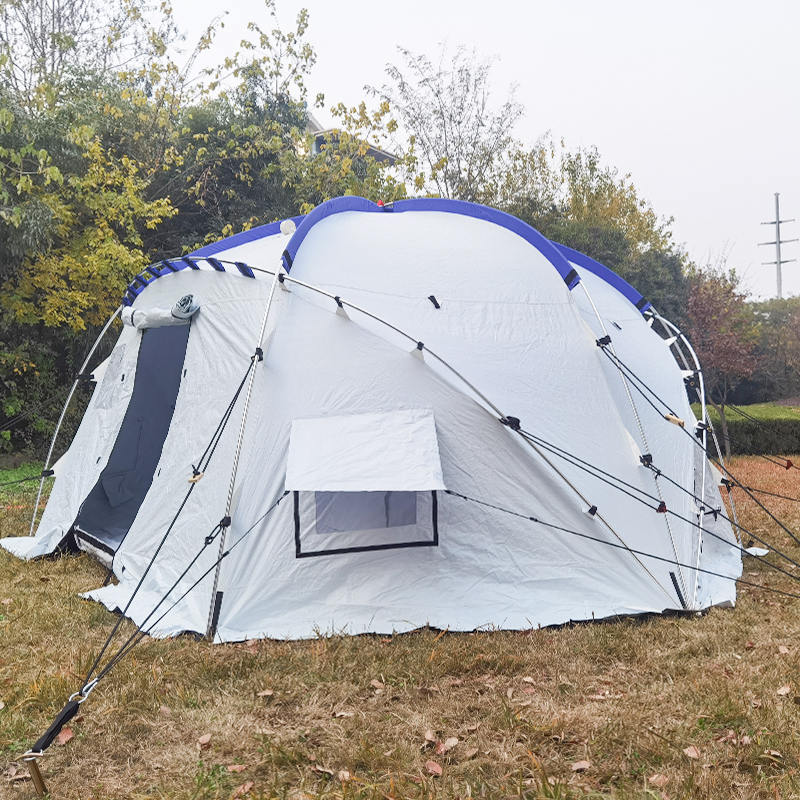
 4m Canvas Bell Tent for Family CampingFour-person cotton canvas bell tent with 250 cm center pole, zippered groundsheet and roll-up sides, offering upright interior space for family camping comfort.View Product →
One practical note for glamping operators: chairs get dragged in and out over a grass or gravel pitch many times a day, so leg design matters more than weight. Wide feet reduce sinking, and a frame that folds flat stores neatly against the wall without puncturing the groundsheet.
Large inflatable tents with near-vertical air beams offer the most usable interior volume per square metre in the camping category. This is where full-size chairs, folding tables and even small camp kitchens make sense inside the shelter. The specification question shifts to floor protection and ventilation, because more people sitting inside for longer produces more condensation and more foot traffic on the groundsheet.
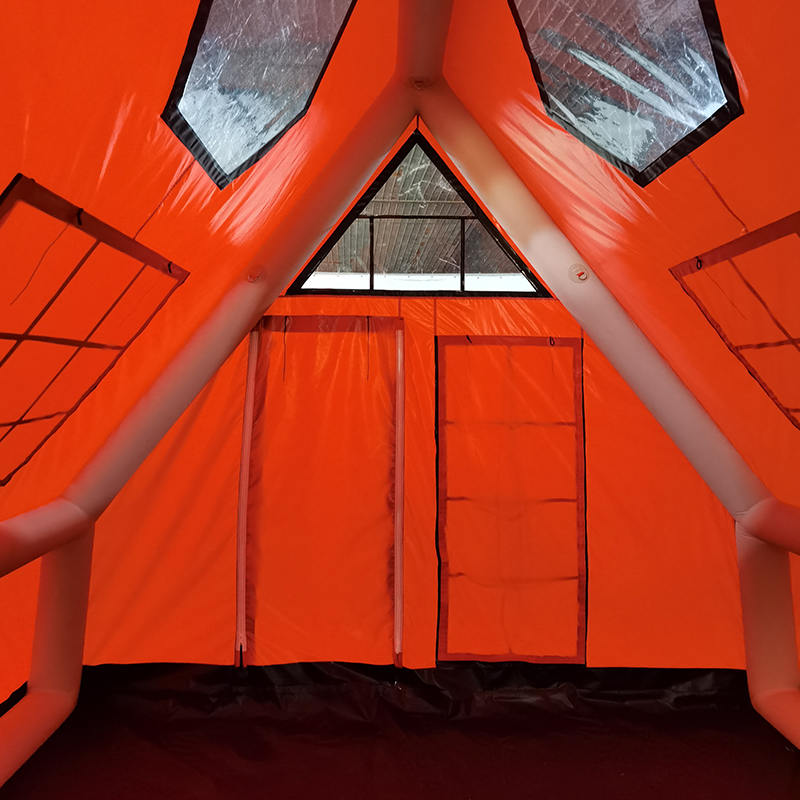 8-10 Person Four Season Inflatable Air TentLarge group inflatable bungalow tent with 16 m² floor space, fast inflation and waterproof PVC floor, giving families room for chairs and tables.View Product →
For this category, we usually suggest a heavier groundsheet or a separate footprint, plus a simple rule for the buyer's instruction sheet: no chair legs on the bare floor without a mat. It is a low-cost addition that removes a predictable warranty claim.
In humanitarian settings the priorities change again. Space is allocated by standard, several family members share a single tent, and furniture has to fold flat and survive being stored damp. Chairs used inside a family tent in a relief programme are usually low stools or backless seats, because they take less room and tolerate rough ground. Where a standard specifies a floor area per person, the seating decision should follow that standard rather than a retail preference, and the shelter's own specification documents should be the reference point.
This is the environment our relief and multipurpose tents are designed for, and it is also where combined shipments make the most difference: shelters, tarpaulins, sleeping mats and field beds arriving together reduce the number of suppliers a programme has to manage.
Match the chair type to the shelter geometry, not to the marketing category: low-back chairs suit domes, upright canvas chairs suit bell tents, and full-size chairs only work in straight-wall inflatable or cabin tents.
Once the fit question is settled, the commercial questions take over. These are the points we see cause the most delay in combined tent and furniture orders, particularly for importers, distributors and retail buying teams placing seasonal volumes.
For wholesalers building a category rather than a single item, there is an argument for concentrating the specification. A supplier that manufactures tents and can coordinate seating through a partner factory gives you one specification language, one inspection schedule and one shipment. That does not remove the need to check samples, but it does reduce the number of things that can go wrong between approval and delivery.
Write tolerances, test methods and carton dimensions into the purchase order before sampling ends, because these three items decide both the landed cost and the number of after-sales claims.
A tent and a chair fail in different ways, so the inspection list has to cover both. These are the checks we would normally include on a combined order, and they are worth requesting even if the seating comes from a separate factory.
One further check applies specifically to the fit question: pitch the tent and place the chair inside it as part of the inspection. It sounds obvious, and yet the number of orders where nobody has ever put the two products together in the same room is higher than anyone would like to admit. A five-minute pitch at the factory is cheaper than a container of returns.
Include a physical pitch-and-place check in the inspection plan: put the chair inside the tent at the factory before the container is loaded.
After enough seasons of buyer questions, the same errors repeat across very different customers. All five are avoidable at the specification stage.
Behind all five is the same habit: treating tents and seating as separate purchases that happen to sit in the same catalogue. They are used together, by the same person, in the same small space, often in the dark. Specifying them together is not a marketing idea, it is an engineering convenience.
Treat the tent and the tent chair as one system with one specification document, and most of these five mistakes disappear before the first sample is cut.
The term is used for three different products: a folding camping chair with a built-in canopy, an ordinary camping chair intended for use inside a tent, and a small chair-shaped shelter used by ultralight hikers. Which one a buyer means changes the specification entirely, so it is worth clarifying at the start of any enquiry.
Usually yes, provided three conditions are met: the backrest stays clear of the sloping roof, the chair does not press against the inner wall, and the feet do not sit directly on a thin groundsheet. Low-back and mid-back chairs work in most dome tents; full-size armchairs generally need a straight-wall or cabin design.
As a working guide, a chair with a seat height of 32 to 40 cm, a backrest top under about 85 cm and an open footprint of roughly 50 to 60 cm per side will sit comfortably inside most four-person dome tents, allowing one or two people to sit at a time. Always check against the actual tent drawing rather than the capacity label.
Not necessarily, but buying them together has practical advantages: consistent colour, one inspection schedule, one shipment and one set of documents. Where the seating comes from a partner factory, ask the tent manufacturer to confirm the fit against their own shelter dimensions in writing.
It is strongly recommended. Chair feet concentrate load on a small area, and groundsheet fabric is designed for sleeping weight distributed across a body, not for four point loads. A small piece of PE or PVC sheet, or a purpose-made footprint, is enough and can often be supplied in the same order as tarpaulins or groundsheets.
Most retail folding chairs are rated between 100 and 150 kg static. What matters more is the test method behind the figure and whether the rating is verified by a cyclic test rather than a single static load. Ask for the method, not just the number.
Start with fit: seat height, backrest height, footprint and the door clearance of the shelters in the same range. Then move to tolerances, carton dimensions and the colour programme. Unit price should be the last item in the conversation, because a cheap chair that does not fit the tent generates costs that outweigh the saving.
A manufacturer that builds shelters understands interior geometry, sidewall slope, groundsheet construction and condensation behaviour, and that knowledge transfers directly to seating decisions. Even when the chairs are produced elsewhere, the shelter manufacturer is often the best source of advice on what will fit and what will damage the floor.
If you remember one thing from this guide: a tent chair is only as good as the shelter it is used in, so specify both together and check the fit with a real sample.
Mailenda has been manufacturing tents for more than two decades, from family and relief shelters to canvas bell tents, inflatable camping tents, party marquees and storage halls, and we export to buyers across Europe, North America, Japan, Chile and beyond. Seating is not our production line, but shelter geometry is, and we are always willing to work through a combined specification with a wholesaler, importer or institutional buyer who wants the two categories to arrive as a matched set rather than a collection of near misses.
If you are building a range and want to test the fit between a chair and one of our shelters, send the chair dimensions and we will check them against the actual tent drawings before anything is cut.
Send your chair dimensions with the shelter model you plan to pair it with, and confirm the fit against real drawings before the sampling stage begins.
Related Products

Our story is about how to uphold the spirit of humanitarianism in the face of disaster, how to find solutions amidst challenges, and how to sow hope in despair.
Copyright © Yangzhou Mailenda Outdoor Products Co., Ltd.
All Rights Reserved.
Custom Tent OEM/ODM Manufacturers


