

 English
 中文简体
 Español
 日本語
 русский
 عربى

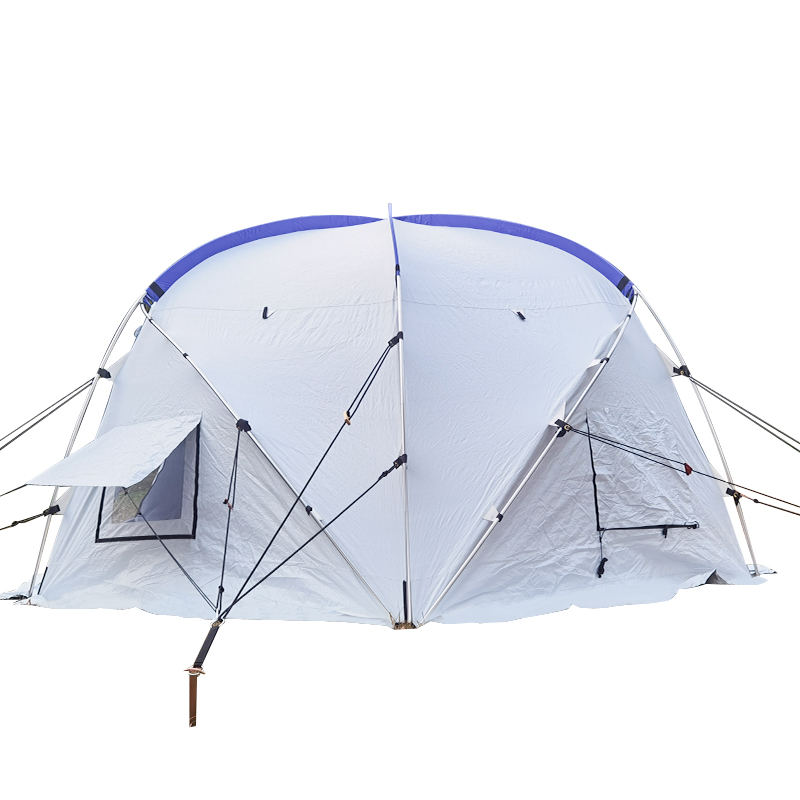


TO SHELTER ALL, TO SMILE ALL.
Our story is about how to uphold the spirit of humanitarianism in the face of disaster, how to find solutions amidst challenges, and how to sow hope in despair.
Content
A screen tent usually fails in one of three places: the mesh tears at a stake point, the frame bows in a gust, or the zipper gives out after a season of daily use. The buying decision therefore starts with the job the shelter must do, not with the lowest price per square foot. For a family camping trip, a pop-up screen house may be enough. For an event rental company, a screened canopy needs replaceable mesh panels, a stable frame, and a packing method that survives truck loading. For a wholesaler or importer, the question becomes even more practical: can the supplier hold mesh quality, frame tolerances, and replacement-part availability across repeat orders?
Screen tents sit between a simple tarp and a full tent. They block insects, soften sun, allow airflow, and create a usable outdoor room for cooking, dining, equipment staging, or guest seating. That sounds simple, but the details matter. Mesh weight, hole size, seam construction, frame wall thickness, floor material, and zipper size all change how the product performs. The most useful conclusion is this: buy screen tents by matching mesh and frame specifications to climate, setup frequency, and after-sales support. A cheap screen tent that cannot be repaired will cost more over a rental season or a retail program than a slightly higher-priced model with available parts.
Screen tents are often bought for insect pressure, but that is only one part of the job. In warm weather, a screen shelter creates shade without turning into a hot box. In light rain, a good screen tent with a taped rainfly can keep seating or cooking areas dry while still letting air move. At a campsite, it gives children and gear a place away from bugs and sun. At an outdoor event, it provides a semi-enclosed area for catering, registration, or guest seating without the cost of a solid-wall marquee.
The failure pattern is fairly consistent across low-cost screen tents. Mesh is specified by appearance rather than by weight or tear strength, so it feels fine in a sample but snags on branches or fails at the first stress point. Frame poles are thin and powder coating chips at joints. Zippers are small and unsupported, so the door becomes the first repair. Seams are single-stitched and not taped, which is acceptable for a sun shade but not for a shelter expected to handle rain. The result is a product that looks correct in a photograph but performs poorly after a few setups.
Buyers should separate three product groups. A pop-up screen house is best for occasional family use and quick campsite setup. A pole-frame screen tent or cabin screen tent is better for frequent use, stronger wind, and longer camping trips. A screened canopy with mesh sidewalls is best for event rental, commercial seating, and wholesale programs where replacement panels and frame parts matter. Each group has different tolerances for packed weight, setup time, and repair access.
| Format | Best use | Strength | Watch-outs |
|---|---|---|---|
| Pop-up screen house | Family camping, weekend trips, quick shade | Fast setup; compact packed size | Hinged joints, mesh snagging, limited repairability |
| Pole-frame screen tent | Frequent camping, longer stays, stronger wind | Replaceable poles; better tensioning | Sleeve wear, stake-point reinforcement, seam sealing |
| Cabin screen tent | Family base camp, dining, gear staging | Vertical walls; roomy interior | Packed weight, floor waterproofing, door zipper size |
| Screened canopy with mesh walls | Event rental, commercial seating, wholesale | Modular panels; replaceable frame parts | Panel alignment, wind loading, container packing |
For a rental company, the ability to replace one mesh panel is more valuable than a slightly lower initial price. For a retailer, a product with a simple repair kit and clear setup instructions reduces returns. For a wholesaler, consistent panel dimensions matter because a mixed container of frames and mesh walls must assemble without rework. These are commercial considerations, not outdoor-lifestyle details, and they should appear in the purchase specification.
Camping buyers tend to focus on packed weight, setup time, and whether the shelter fits over a picnic table. A family of four may prefer a 10 by 10 foot screen house that stores in a single bag. A group camper may choose a larger cabin screen tent with vertical walls and a floor. In both cases, the mesh should be fine enough to stop small insects but strong enough to resist repeated contact with chairs, coolers, and tent poles. A screen tent that is difficult to tension will flap in wind, and flapping mesh wears quickly at the seams.
For family camping programs, a screen tent is often sold next to a family tent rather than as a replacement for one. The family tent handles sleeping and weather protection; the screen tent handles daytime living. That pairing is useful for retailers and importers because it creates a logical add-on sale. It also means the screen tent should share compatible material standards, such as similar UV resistance and comparable zipper quality, so the two products do not feel mismatched.
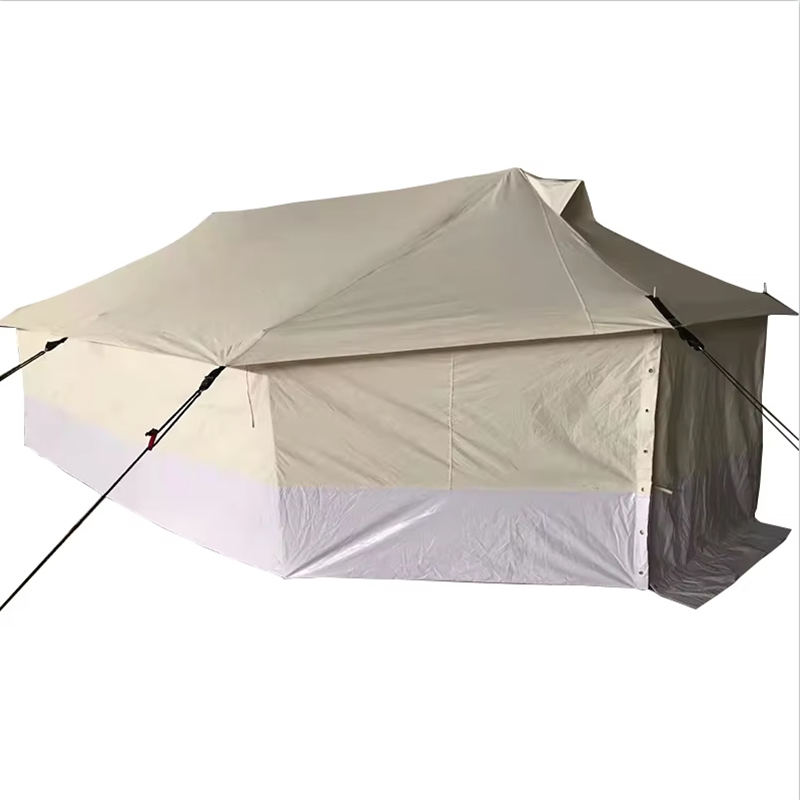
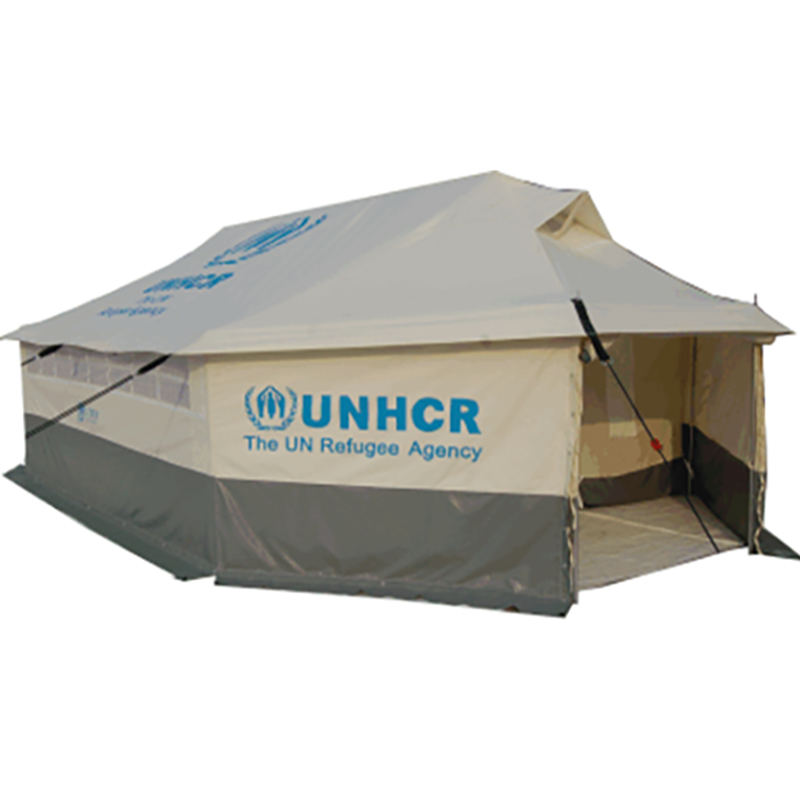
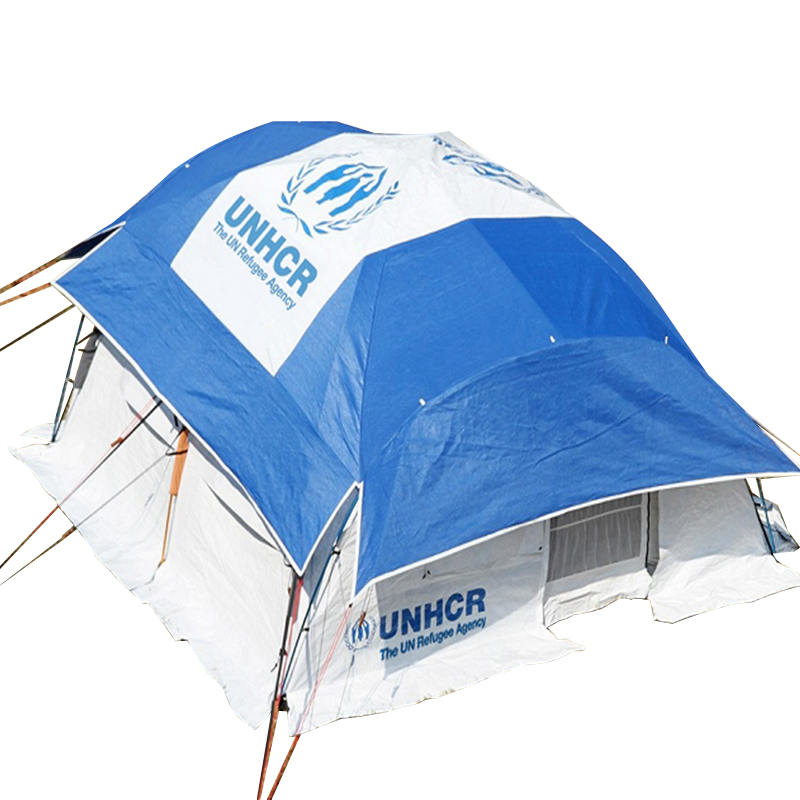
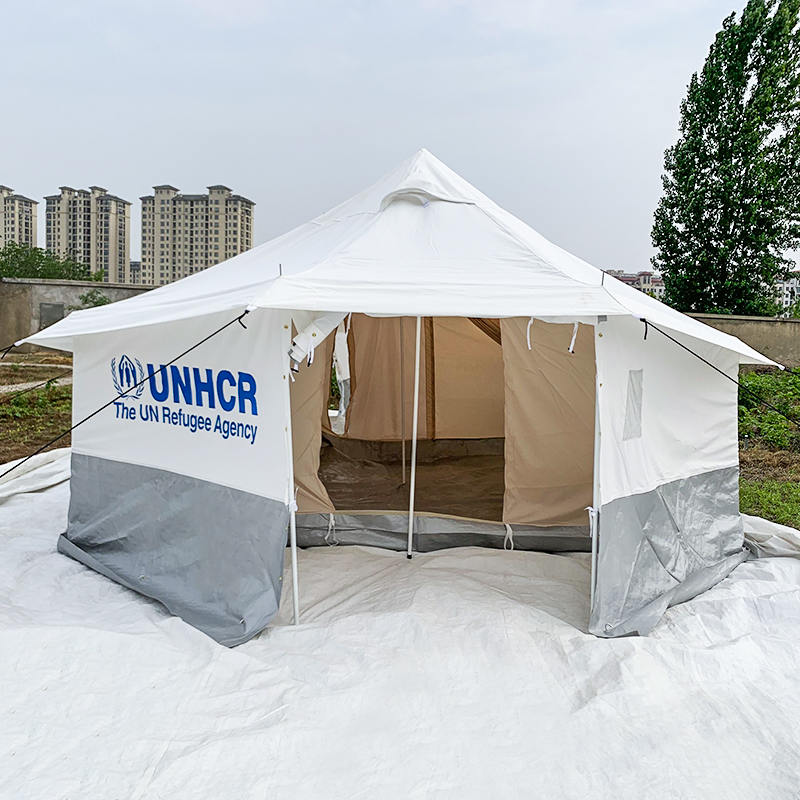 UNHCR Standard 5-Person Humanitarian Family TentA five-person humanitarian family tent with inner liner, waterproof rot-proof UV-stabilised fabric and two vestibules for emergency family shelter.View Product →
Event use is different. A screened canopy at a wedding, market, or sports event must look orderly, assemble predictably, and survive repeated loading. Rental companies care about replacement mesh walls, leg plates, and frame spares. A supplier that already manufactures pole tents and marquee frames can often adapt an existing frame platform with mesh sidewalls instead of creating a new structure from scratch. That reduces tooling risk and makes spare parts easier to manage.
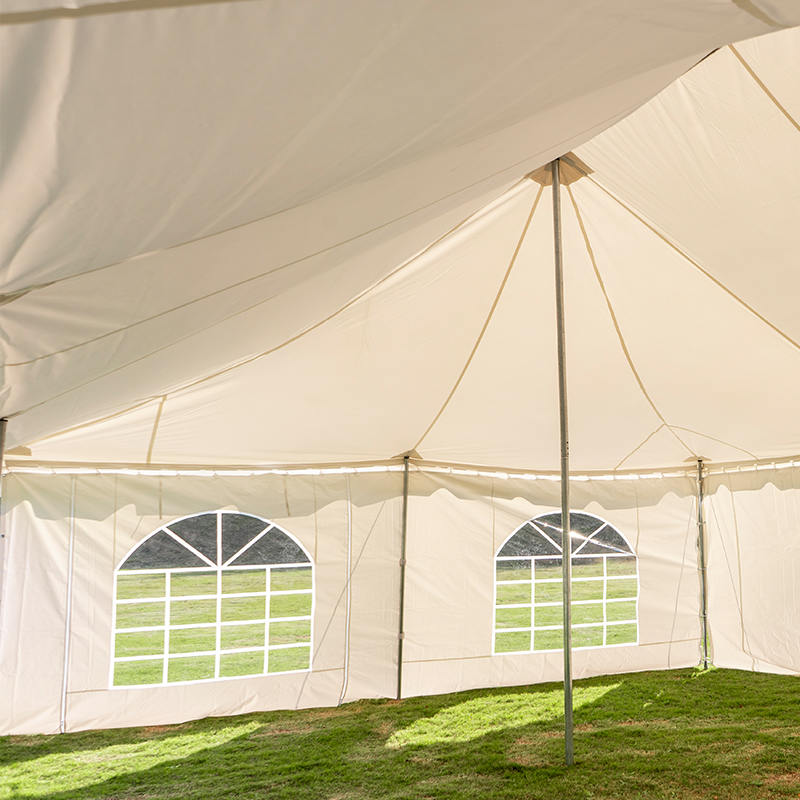 20x30 PVC Fire-Retardant Wedding Party Pole TentA 20x30 ft PVC pole tent with galvanized steel frame and optional sidewalls, suited to wedding, party and rental event use.View Product →
For wholesale programs, the buyer may never see the end user. The product must survive retail packaging, container loading, warehouse handling, and customer assembly. That makes instructions, labeling, and small-part consistency more important than a dramatic feature list. A wholesaler should ask for the mesh specification in writing, the frame tube diameter and wall thickness, the zipper size, and the exact packed carton dimensions. Without those details, a low quote is difficult to compare with a credible quote.
Screen tents also appear in commercial and institutional settings where airflow and visibility matter. A temporary dining area, a first-aid waiting space, or a equipment staging zone may benefit from mesh walls that keep insects out while allowing supervisors to see inside. In those cases, the buyer should think about privacy, wind exposure, and whether the mesh needs a solid lower panel for durability. A screen tent that is perfect for a campsite may be too light for a commercial site, and an event-grade structure may be too heavy for a family buyer.
Most screen tent descriptions use vague language such as bug mesh, strong frame, or waterproof fabric. Those words are not specifications. A buyer should ask for measurable details. Mesh can be described by yarn denier, weight per square meter, hole size, and tear strength. A no-see-um style mesh is finer than standard mosquito netting, but finer mesh also reduces airflow and can be more delicate. For family camping, a balanced mesh that blocks common insects and still allows breeze is usually more practical than the finest possible screen. For event use, a slightly stronger mesh with better shape retention may be more important than ultralight weight.
Frame specifications matter just as much. For a family screen tent, poles in the 19 to 25 mm range are common, but diameter alone is not enough. Wall thickness, alloy grade, and joint design determine how the frame behaves in wind. Powder coating should be checked for adhesion, especially at cut ends and joint inserts. For event-grade screened canopies, aluminum frames with larger main profiles and replaceable feet are easier to service than one-piece painted frames. Steel frames can be cost-effective, but buyers should confirm galvanizing or coating quality because rust at the leg base is a common complaint after outdoor storage.
Seams and zippers are where many screen tents reveal their real quality. Mesh should be double-stitched or bound at high-stress areas such as doors, corners, and stake points. Rainfly seams should be taped or sealed if the product is sold as rain-ready. Zippers should be sized for the opening; a small zipper on a large door is a predictable failure. Two-way zippers are useful on event panels because they allow partial opening without removing the whole wall. Replaceable mesh panels are a strong advantage for rental and commercial buyers because damage can be repaired without replacing the entire shelter.
| Specification area | Occasional camping | Frequent camping or rental | Wholesale or export program |
|---|---|---|---|
| Mesh | Standard insect mesh; light weight | Stronger mesh with reinforced door panels | Written mesh weight, hole size, and tear test |
| Frame | 19 to 22 mm poles; simple joints | 22 to 25 mm poles; replaceable sections | Tube diameter, wall thickness, coating spec, spare parts |
| Seams | Single-stitched; light rain use | Double-stitched stress points; taped rainfly | Seam tape width, stitch density, sealing method |
| Zippers | Standard door zipper | Larger two-way zipper on main doors | Zipper size, slider brand or equivalent, pull test |
| Repair | Patch kit optional | Replaceable poles and mesh panels | Spare-parts list, carton labeling, instruction sheet |
One practical tolerance issue is panel fit. Mesh sidewalls and frame sleeves must match within a few millimeters, or the shelter will assemble with wrinkles or excessive tension. Wrinkles are not only cosmetic; they create movement in wind and wear points at seams. A buyer ordering a mixed container should ask for a pre-production assembly check using production frames and production mesh panels. That step catches dimension drift before the full order is packed.
Buyers often compare screen tents by footprint alone, but packed weight and setup time decide whether the product is used or left in storage. A larger screen house gives more usable space, yet it also needs more poles, more stakes, and a larger carton. For a retailer, carton size affects shipping cost and shelf space. For a rental company, packed weight affects labor and vehicle loading. For a family buyer, a shelter that takes too long to set up may be skipped on short trips.
The chart below gives an indicative comparison of packed weight across common screen tent formats. The values are not absolute because frame material, fabric, and accessory kits vary, but the pattern is useful for planning. A pop-up model is usually lighter and faster, while a larger screened canopy carries more weight because of the frame, feet, and mesh panels.
These figures should be read as planning ranges, not catalog guarantees. A heavier frame can improve wind stability, but it also raises freight cost and handling effort. A lighter mesh can improve airflow, but it may need more careful reinforcement at doors. For a wholesale program, the right answer is usually a family of products rather than one model: a light pop-up for retail, a stronger pole-frame screen tent for frequent campers, and a modular screened canopy for rental and commercial buyers. That structure lets the supplier use common mesh and frame components while giving each channel a clear product story.
Setup time follows a similar pattern. Pop-up screen houses are fast because the frame is integrated, but repair is less flexible. Pole-frame screen tents take longer to pitch, yet individual poles and mesh panels can be replaced. Event canopies may take a crew 30 to 60 minutes depending on size, panel count, and anchoring requirements. The buyer should test the setup with the actual instruction sheet, not with a demonstration by an experienced technician. If the instructions are unclear, returns and negative reviews will follow even when the hardware is acceptable.
A sample can look good and still hide production risk. The sample may be hand-finished, while the bulk order runs on a different line. The mesh may be from a small roll with consistent tension, while production uses a wider roll with different stretch. The frame may be assembled by a technician who knows the product, while mass production relies on a fixture that is not checked often enough. These gaps are normal in tent manufacturing, and they are why screen tent buyers need a pre-production review rather than a single sample approval.
One common risk is mesh inconsistency. Two rolls can look identical but behave differently under tension. If the mesh is cut without allowing for stretch, doors may sag or panels may pucker. Another risk is frame coating damage at cut ends. A painted or powder-coated pole can rust from the inside if the cut end is not sealed or protected. A third risk is zipper alignment. A door that closes on the sample may bind in production if the panel dimensions shift by a few millimeters. These are not abstract quality issues; they show up as returns, rental downtime, and replacement claims.
For importers and wholesalers, packaging deserves equal attention. A screen tent carton should survive stacking and container humidity. Mesh panels should be protected from snagging on frame parts. Stakes and poles should be packed in separate bags so they do not rub through the fabric. Instruction sheets should match the exact model, including pole count and panel orientation. A small labeling error can create a large customer-service problem when a retailer receives mixed models in one carton.
For buyers who need a broader technical reference, our practical technical manual for camping tents covers related frame, fabric, and seam checks that also apply to screen tents. The key is to turn those checks into a written inspection plan. A factory that can answer specific questions about mesh weight, seam tape, and spare parts is easier to manage than one that only sends photographs.
A clear screen tent specification saves time for both the buyer and the manufacturer. Start with the use case: family camping, rental, commercial seating, or institutional staging. Then define the footprint, standing height, door position, and whether a floor is required. Next, set mesh and frame requirements. Finally, add packaging, labeling, and spare-parts requirements. This order prevents the common mistake of choosing a frame first and then trying to fit the mesh and use case around it.
For a retail program, the specification should include the carton dimensions, product weight, and a barcode-ready label. For a rental program, it should include replacement mesh panels, leg feet, and a repair kit. For a humanitarian or institutional program, the buyer may need clear setup instructions, repair guidance, and consistent spare parts across batches. These requirements do not make the product more complicated; they make it easier to support after delivery.
| RFQ item | What to state | Why it matters |
|---|---|---|
| Use case | Camping, rental, event, commercial, or institutional | Sets mesh strength, frame weight, and repair strategy |
| Footprint and height | Length, width, wall height, peak height, door location | Controls panel dimensions and packing size |
| Mesh | Yarn type, weight, hole size, color, tear requirement | Prevents vague bug mesh claims |
| Frame | Material, tube diameter, wall thickness, coating, joint type | Affects wind performance and spare-part planning |
| Seams and zippers | Stitch type, tape width, zipper size, two-way option | Reduces door failure and water intrusion |
| Packaging | Carton size, label, instruction language, spare-parts bag | Protects retail and wholesale channel requirements |
Event suppliers often need a screen structure that looks consistent across multiple units. That means panel dimensions should be interchangeable, and frame legs should be easy to identify during setup. A pagoda or gazebo frame can be adapted with mesh sidewalls for garden events and hospitality areas, but the buyer should confirm wind anchoring and panel attachment details. Decorative frames are less forgiving than camping poles because the mesh must hang evenly and the openings must line up.
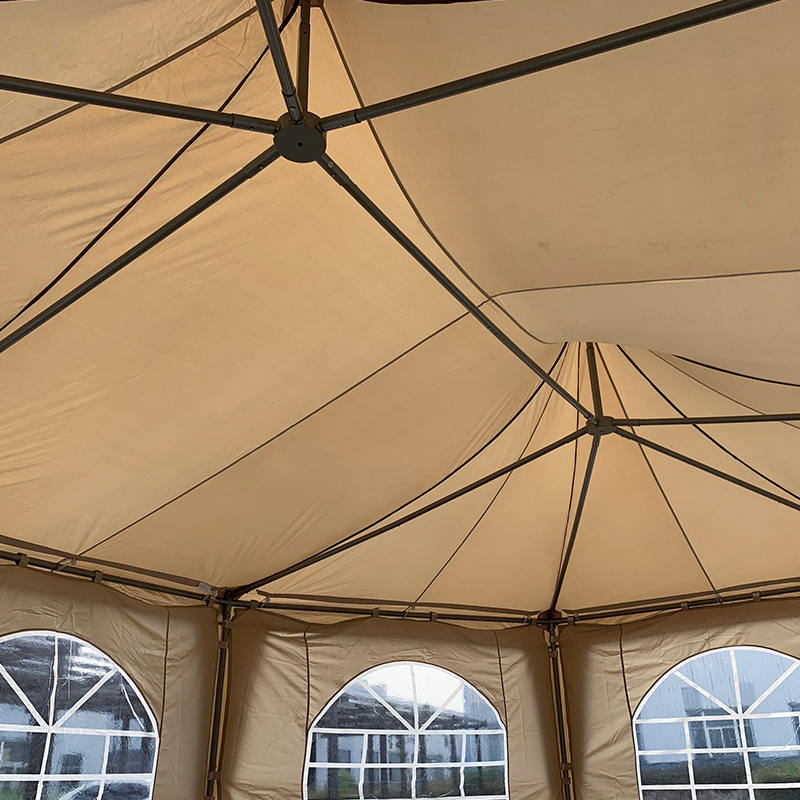 5x6.8m Octagonal Pagoda Party Gazebo TentA 5x6.8m octagonal pagoda gazebo with powder-coated steel frame and eight removable sidewalls, offering about 30㎡ for weddings and events.View Product →
For a manufacturer, a clear specification also improves quoting. The factory can price the mesh, frame, zippers, packaging, and inspection in separate lines. The buyer can then compare suppliers on the same basis. If one quote is much lower, the difference is usually visible in mesh weight, frame wall thickness, zipper size, or packaging. Those differences are exactly what the end user will feel after a few uses.
Inspection should focus on the parts that create returns. Mesh tension at doors and corners, frame joint fit, zipper operation, seam sealing, and stake-point reinforcement are more important than a quick visual check of the packed product. A practical inspection plan can use AQL sampling for visual defects and a small destructive or stress test on representative samples. For example, the inspector can open and close the main door repeatedly, load the mesh at a corner, and assemble one frame set to confirm that poles and panels match.
Frame checks should include tube straightness, insert depth, and coating condition. A pole that is slightly bent may still assemble, but it will put uneven tension on the mesh. Zipper checks should include the full length of the door, not only the first few centimeters. Seam checks should look at the inside and outside of the rainfly and at the mesh-to-fabric attachment. Packaging checks should confirm that poles are bagged, stakes are separated, and the instruction sheet matches the model.
For wholesale buyers, it is useful to keep a reference sample from each approved production run. If a later shipment feels different, the reference sample makes the comparison concrete. The same approach works for replacement mesh panels. A supplier that can provide consistent spare panels is more valuable than one that only sells complete screen tents. This is especially true for rental companies, where a damaged panel should not take a whole shelter out of service.
The terms are often used interchangeably. A screen house usually refers to a larger freestanding shelter with mesh walls and a solid roof, often used over a picnic table. Screen tents can be smaller camping shelters or larger canopies with mesh sidewalls. For buying purposes, focus on footprint, frame type, and whether the mesh panels are replaceable.
Ask for mesh weight, hole size, and tear strength rather than a general bug mesh description. Finer mesh blocks smaller insects but can reduce airflow. Stronger mesh is better for rental and commercial use. A sample should be tensioned and checked at the door and corner areas, where most wear occurs.
A screen tent with a taped rainfly and sealed seams can handle light rain, but it is not a replacement for a storm tent. Mesh walls allow wind-driven rain to enter. Buyers who need rain protection should specify a solid roof, sealed seams, and a floor or lower splash panel where appropriate.
For family camping screen tents, 19 to 25 mm poles are common. For event canopies, larger aluminum profiles may be needed. The specification should include tube diameter, wall thickness, material, coating, and joint type. Diameter alone does not indicate strength.
Container quantity depends on carton size, frame length, and whether the product is packed in one bag or split into multiple cartons. A wholesale buyer should request the packed carton dimensions and a loading plan before confirming the order. This avoids surprises in freight cost and warehouse space.
Yes, when they are built with replaceable mesh panels, stable frames, and serviceable feet. A rental-grade screen canopy should be easy to anchor and repair. Decorative event frames can work well, but panel alignment and wind anchoring must be checked before the season starts.
Ask for a production-representative sample, a written material specification, and a spare-parts list. Review the factory's inspection process, carton packing, and labeling. For larger orders, use a pre-production sample and a final inspection plan. A supplier that answers technical questions clearly is usually easier to manage than one that only quotes a price.
Start with the use case and work backward. A family camper needs a light, quick screen tent with reliable mesh and a simple repair path. A rental company needs a screened canopy with replaceable panels, stable anchoring, and spare parts. A wholesaler needs consistent cartons, clear labeling, and a supplier that can repeat the same specification across shipments. These are different products even when they share the same general shape.
Next, put the specification in writing. Include mesh weight, frame dimensions, zipper size, seam treatment, floor material if any, packaging, and spare-parts requirements. Compare quotes against that document, not against a photograph. Then approve a production-representative sample and inspect the first shipment with an assembled check. If the product is intended for retail or wholesale, review the instruction sheet and carton label as carefully as the tent itself.
Finally, plan for replacement parts. Screen tents are exposed to sun, wind, and repeated setup. Mesh panels, zippers, poles, and stakes will eventually need service. A supplier that can provide those parts is more useful than one that treats every sale as a one-time transaction. That is especially true for rental fleets and retail programs where customer satisfaction depends on quick repairs rather than full replacements.
Buyers who are comparing screen tents with other shelter formats can use these starting points to review frame, fabric, and storage details before requesting a quote.
For custom screen tent programs, bring the intended use, climate, quantity, and packing requirements to the first discussion. That information is more useful than a single reference photo because it lets a manufacturer or supplier recommend the right mesh, frame, and repair strategy.
Related Products

Our story is about how to uphold the spirit of humanitarianism in the face of disaster, how to find solutions amidst challenges, and how to sow hope in despair.
Copyright © Yangzhou Mailenda Outdoor Products Co., Ltd.
All Rights Reserved.
Custom Tent OEM/ODM Manufacturers


