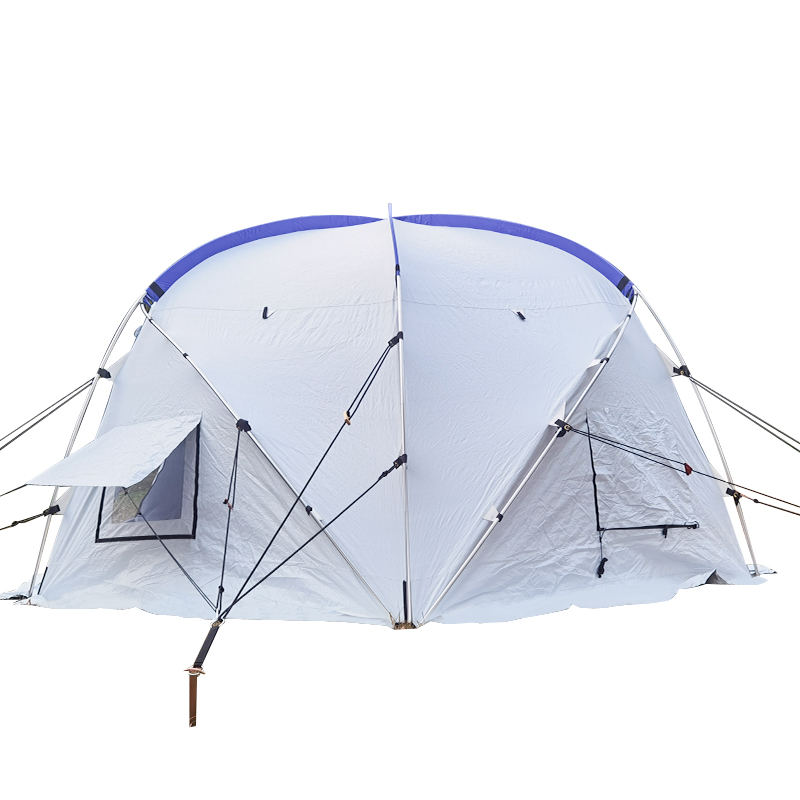
Quick Answer: How to Maintain a High Performance Tent
The most effective way to maintain a High Performance Tentis to keep the fabric clean and fully dry before storage, inspect the frame poles and joints after every deployment, reapply waterproof coating on a regular schedule, and store the tent loosely rolled in a cool, dry location. Following these four habits consistently is what allows a well-built Four Season Tent or Expedition Tent to remain field-ready season after season.
A simple maintenance routine can be broken into the following steps:
Brush off dirt and sand before folding to prevent abrasion against the fabric coating.
Air-dry the tent fully, including the floor and guy lines, before placing it in storage.
Inspect zippers, seams, and pole joints for early signs of wear after each trip.
Reapply seam sealant or waterproof coating once performance begins to decline.
Store the tent loosely rolled rather than tightly compressed for long periods.
Why Proper Maintenance Matters for an HPT
A High Performance Tent, often referred to in the field as an HPT, is built to withstand sustained wind loads, heavy precipitation, and temperature swings that a standard Camping Tent is not designed to handle. This durability comes from coated high-denier fabrics, reinforced seams, and stronger frame poles, but even the most robust Heavy Duty Tent construction will degrade faster than expected without consistent care.
Common Stress Points
The areas that experience the most wear on an Alpine Tent or Mountaineering Tent are the pole sleeves, guy line attachment points, zipper tracks, and the floor corners. Routine attention to these specific points, rather than a general once-a-year cleaning, is what extends usable life the most.
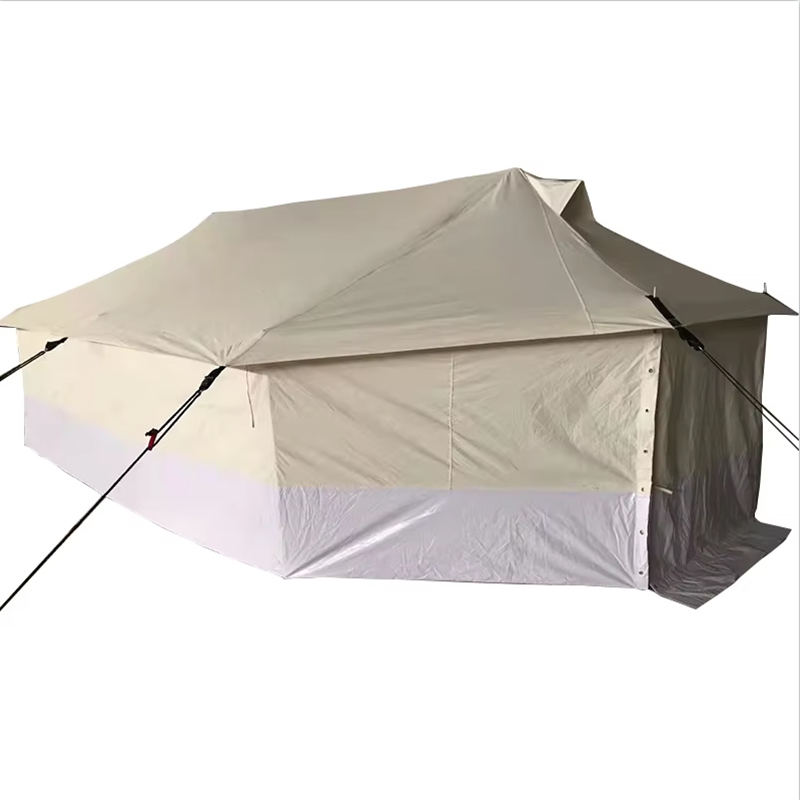
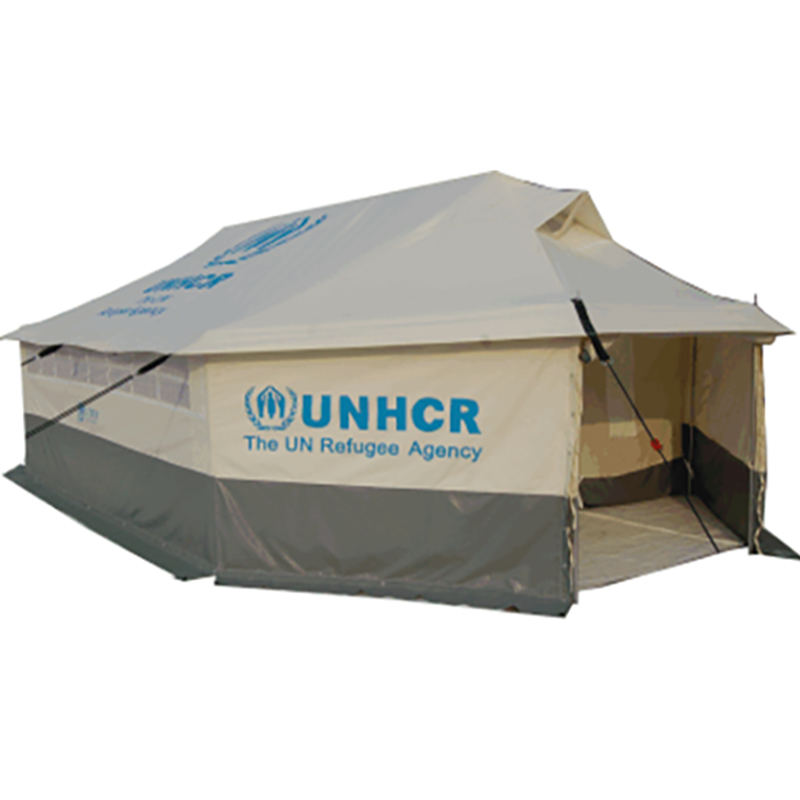
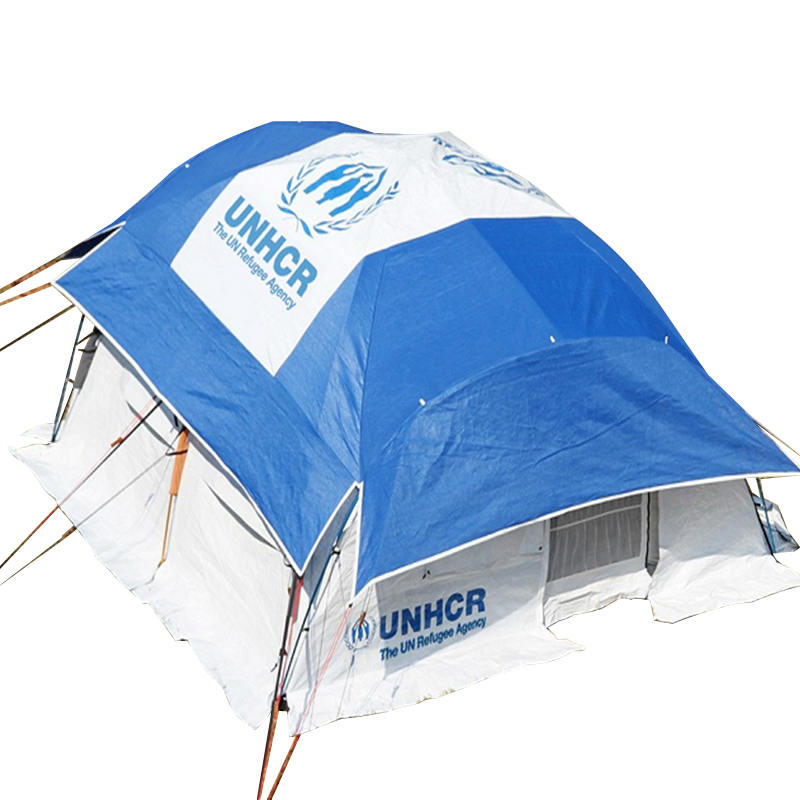
Tents used in Disaster Relief Refugee Family Tent programs and other humanitarian deployments face an additional challenge: extended continuous use with limited time available for between-use inspection. This makes a structured maintenance checklist even more valuable for field teams managing large numbers of units.
Fabric Care and Waterproof Coating Maintenance
Fabric performance is usually the first attribute to decline if a Waterproof Tent is not cared for properly. The chart below compares the relative durability retention of common tent fabric types after extended field use when proper maintenance practices are followed versus when they are neglected.
As shown above, the gap between a properly maintained fabric and a neglected one can be substantial, even on the same denier rating. Regular cleaning removes grit that abrades coatings during folding, while timely reapplication of waterproof treatment prevents the slow breakdown that leads to seam leakage. This pattern holds true whether the fabric is used in an Expedition Tent, a Survival Tent, or a Windproof Tent intended for long-duration exposure. Drying fully before storage is equally important, since residual moisture trapped against a coated fabric can accelerate coating breakdown and encourage mildew growth. For teams managing a Modular General Purpose Tent MGPT or similar bulk-deployed units, building this drying and inspection step into a standard operating procedure tends to produce more consistent results across an entire fleet.
Frame and Pole Care Over Time
The frame is the structural backbone of any Four Season Tent, and pole fatigue accumulates gradually with repeated setup and breakdown cycles. The line chart below illustrates a typical pattern of joint flexibility decline over repeated use cycles when poles are not periodically checked and lubricated at the connection points.
This downward trend reflects normal mechanical fatigue rather than a defect, and it can be slowed considerably with simple care. Wiping pole sections clean after sandy or muddy deployments prevents grit from working into the joints, and applying a light silicone-based lubricant to shock-corded sections keeps connections smooth during assembly. A bent or cracked pole section should be replaced promptly, since continuing to use a compromised pole places uneven stress on neighboring sections during high wind events. For a Mountaineering Tent or Alpine Tent used at altitude, where wind loading is already significant, this kind of proactive pole care has a direct bearing on structural reliability when it matters most.
Seasonal Storage and Usage Patterns
Storage conditions between deployments matter as much as in-field care. The column chart below shows an illustrative breakdown of typical seasonal usage intensity for Extreme Weather Tent units, which helps explain why storage practices should be adjusted depending on the time of year.
Winter and summer deployments tend to place the greatest demands on a Windproof Tent or Survival Tent, whether from snow loading and freezing condensation or from intense UV exposure and heat. Before placing any tent into off-season storage, it should be completely dry, free of debris, and stored away from direct sunlight to limit UV degradation of the fabric coating. For organizations managing Storage Tent or Warehouse Tent inventory across multiple seasons, rotating stock and logging usage cycles can help identify which units need closer inspection before redeployment.
Comparing Tent Types Across Key Performance Attributes
Maintenance priorities differ slightly depending on the tent category. The radar chart below compares four common High Performance Tent categories — Four Season Tent, Expedition Tent, Alpine Tent, and general Camping Tent — across windproofing, waterproofing, frame durability, and weight efficiency on a relative 0–10 scale.
The comparison highlights why maintenance routines should be tailored to tent type rather than treated uniformly. An Expedition Tent extends furthest on windproofing and frame durability, reflecting its design for sustained exposure at altitude, which means pole joints and guy line anchors deserve closer attention on this category. A Four Season Tent balances waterproofing and durability fairly evenly, supporting year-round use as long as fabric coating is refreshed periodically. General Camping Tent models score higher on weight efficiency and portability but typically use lighter fabric, so they benefit more from gentle handling and careful folding to avoid premature wear. Recognizing these differences helps owners and procurement teams set realistic maintenance expectations for each category rather than applying a single checklist across an entire fleet.
General maintenance focus by tent category
Tent Category
Primary Maintenance Focus
Recommended Frequency
Expedition Tent
Pole joints and guy line anchors
After every deployment
Four Season Tent
Fabric coating and seam sealant
Seasonally
Camping Tent
Gentle folding and dry storage
After each use
Maintenance Considerations for Specialized and Relief Use Tents
Beyond personal outdoor use, High Performance Tent structures are also deployed in specialized settings such as a Dispensary Tent or Hospital Tent, where consistent structural integrity supports continuous operation. These environments often involve repeated entry and exit, equipment installation, and longer continuous setup periods, so hardware such as zipper sliders, door flap fasteners, and ventilation panels should be checked more frequently than in typical recreational use.
For humanitarian deployments, including Disaster Relief Refugee Family Tent programs and broader Multipurpose Tent rollouts, maintenance planning should also account for accompanying relief items such as plastic tarpaulin, shelter kit components, thermal blanket supplies, and sleeping mat equipment that are frequently issued alongside the tent itself. Keeping these supporting items dry and properly stored extends their usefulness in the same way that proper care extends the service life of the tent structure.
About Yangzhou Mailenda Outdoor Products Co., Ltd.
Yangzhou Mailenda Outdoor Products Co., Ltd. is an international trade enterprise combined with its own manufacturing facility, specializing in relief tents, inflatable tents, party tents, carports, and warehouse tents, including High Performance Tent and Four Season Tent structures suited to demanding environments.
The company operates advanced production equipment, including automatic cutting machines, laser cutting systems, automatic cutting tables, automatic welding machines, high frequency machines, hot air machines, and hot air seam sealing machines. The company team has worked in the industry for more than 20 years and has extensive experience handling PE, PVC, TPU, polyester-cotton fabric, steel, aluminum, and other materials used across Expedition Tent, Alpine Tent, and related product lines.
With substantial experience in international bidding and cooperation with major retail partners, the company's products are exported to dozens of countries and regions, including Germany, the United States, Japan, the United Kingdom, Spain, Italy, Canada, and Chile. Its customers include United Nations agencies, humanitarian organizations, and a number of well-known supermarket chains.
Frequently Asked Questions
Q1: How often should a high performance tent be cleaned?
Cleaning after every significant deployment, especially in muddy, sandy, or salty conditions, helps prevent grit from accelerating fabric and zipper wear.
Q2: Can a four season tent be stored long-term without use?
Yes, as long as it is fully dry, loosely rolled rather than tightly compressed, and kept away from direct sunlight and excessive heat during storage.
Q3: What is the most common cause of frame pole failure?
Repeated mechanical fatigue at joint connections is the most common cause, often worsened by grit buildup or skipping lubrication during long-term use.
Q4: How can waterproof performance be restored over time?
Reapplying a seam sealant or fabric waterproof coating once water beading on the surface decreases can help restore performance closer to original levels.
Q5: Are maintenance needs different for relief and disaster response tents?
Relief deployments often involve extended continuous use, so more frequent hardware checks and prompt repairs are generally recommended compared with occasional recreational use.