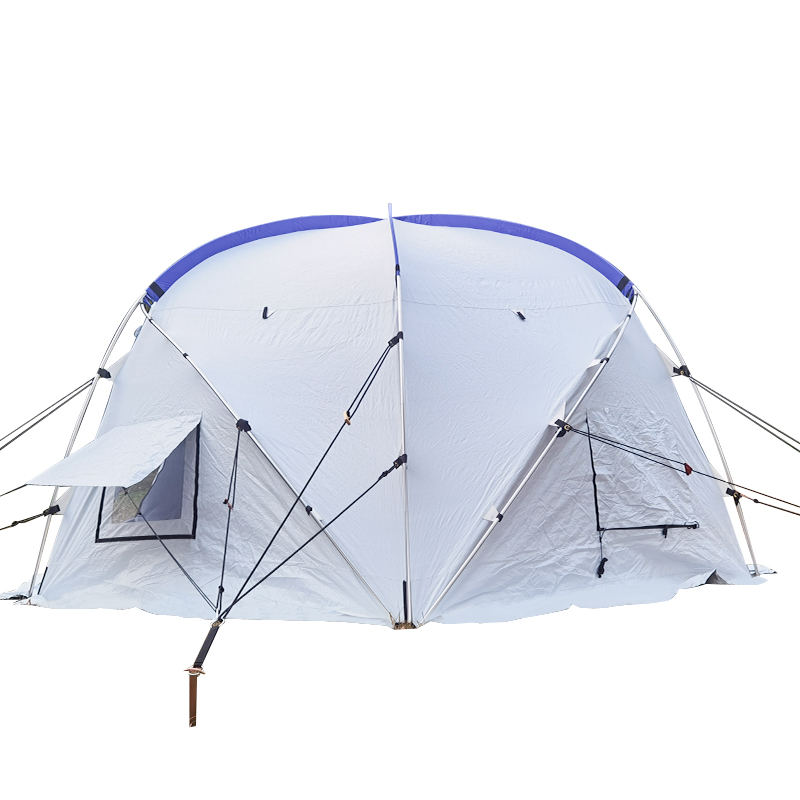
The Bottom Line: Choose Based on Durability, Size Accuracy, and Climate Compatibility
When selecting a storage tent, prioritize galvanized steel frames (resisting rust for 10+ years), polyethylene fabric with at least 14 mil thickness, and precise dimensional planning allowing 2-3 feet of clearance around stored items. For regions with snow loads exceeding 20 lbs/sq ft, select units with reinforced roof trusses and wind ratings above 70 mph. Budget options ($200-$400) suit temporary seasonal storage, while premium models ($800-$1,500) provide 15-20 year lifespans for permanent installations.
Understanding Storage Tent Specifications
Frame Materials and Load Capacity
The structural integrity of your storage tent depends entirely on frame construction. Galvanized steel tubing with 1.5-inch diameter and 16-gauge thickness represents the industry standard for residential use, supporting snow loads up to 30 lbs/sq ft. Aluminum frames offer rust immunity and 40% weight reduction but cost approximately 25% more. Avoid powder-coated steel in coastal areas—salt air penetrates coatings within 3-4 years, causing frame degradation.
Fabric Grades and UV Protection
Not all polyethylene covers perform equally. Standard 7-10 mil covers degrade within 2-3 years under intense UV exposure. Heavy-duty 14-16 mil triple-layer polyethylene with UV inhibitors maintains flexibility and tensile strength for 7-10 years. Look for ripstop grid patterns—these prevent tears from spreading beyond 2-3 inches, crucial for maintaining weatherproofing integrity.
Comparison of Storage Tent Fabric Specifications and Expected Lifespan
Fabric Grade
Thickness (mil)
UV Rating (hours)
Expected Lifespan
Price Range
Standard
7-10
500-800
2-3 years
$200-$400
Heavy-Duty
14-16
2,000+
7-10 years
$600-$900
Commercial
22-28
5,000+
15-20 years
$1,200-$2,500
Sizing Your Storage Tent Correctly
Calculating Required Dimensions
Measure your largest items and add minimum 24 inches of clearance on all sides for ventilation and access. A common mistake: purchasing a 10x10 ft tent for a vehicle measuring 18x7 ft. While the footprint fits, door height (typically 6-7 ft on basic models) prevents entry. For vehicle storage, select units with minimum 8-foot side height and 10-foot peak height.
Common Size Applications
6x6 ft to 8x8 ft: Motorcycle storage, garden equipment, bicycles (fits 2-3 bikes)
10x10 ft to 10x15 ft: Compact cars, ATVs, lawn tractors, 200-300 sq ft of boxed storage
12x20 ft to 12x30 ft: Full-size trucks, RVs (up to 25 ft), workshop space with workbenches
14x40 ft and larger: Motorhomes, multiple vehicle storage, commercial inventory (1,000+ sq ft)
Weatherproofing and Climate Considerations
Wind and Snow Load Ratings
Entry-level storage tents withstand winds of 40-50 mph when properly anchored. For regions experiencing frequent storms, select models rated for 80-100 mph winds with auger-style anchors penetrating 30+ inches into soil. Snow load capacity varies dramatically: basic models handle 8-10 lbs/sq ft (light dusting), while reinforced peak models support 40+ lbs/sq ft (heavy wet snow accumulation).
Moisture Management Systems
Condensation destroys stored items faster than rain penetration. Quality storage tents include ventilation panels at peak and base, creating airflow that reduces humidity by 30-40%. For high-humidity climates, add desiccant systems or battery-powered dehumidifiers. Ground moisture barriers—either included floor kits or separate 12-mil polyethylene sheets—prevent vapor transmission from concrete or soil.
Installation and Site Preparation
Foundation Requirements
Level ground prevents structural stress and water pooling. A gravel base (4-6 inches deep) provides superior drainage compared to bare earth or grass. For permanent installations, pour a concrete pad extending 12 inches beyond the tent footprint. Critical: Slope the site away from the tent at 1/4 inch per foot minimum to prevent flooding during heavy rainfall events.
Anchor Systems by Surface Type
Soil/Grass: 30-inch auger anchors with 1,200+ lb pull-out resistance, spaced every 4 feet
Wooden Deck: Lag bolts penetrating 2+ inches into structural joists, not just decking
Frequently Asked Questions About Storage Tents
How long do storage tents typically last?
Lifespan varies from 2 years for budget models to 20+ years for commercial-grade units. Key factors: fabric UV rating, frame coating quality, and maintenance frequency. Replacing worn guy lines annually and tightening loose cover straps extends service life by 30-40%. In moderate climates with proper care, mid-range units ($600-$900) deliver 8-12 years of reliable service.
Can storage tents withstand winter conditions?
Standard models fail under heavy snow loads. For winter use, select units with peak-style roofs (shedding snow better than flat/rounded designs), reinforced truss systems, and snow load ratings exceeding your regional average. In USDA Hardiness Zones 1-4, remove snow accumulation when depths exceed 6 inches, or install internal support poles every 6 feet to prevent roof collapse.
Do I need a building permit for a storage tent?
Regulations vary by municipality. Generally, structures under 120 square feet require no permit, while larger units or permanent installations (concrete foundations, electrical connections) trigger building code requirements. Temporary fabric structures used for less than 180 days often receive exemptions. Always verify with local planning departments—fines for non-compliance range from $500 to $2,000 plus mandatory structure removal.
How do I prevent mold and mildew inside?
Maintain relative humidity below 60% through ventilation and moisture barriers. Install vent panels at opposite ends to create cross-breezes. Store items on pallets (minimum 4 inches off ground) rather than directly on soil or concrete. For severe humidity, deploy rechargeable wireless hygrometers ($15-$25) to monitor conditions, activating dehumidifiers when readings exceed 65%.
Are storage tents secure against theft?
Standard roll-up or zipper doors offer minimal security. Upgrade with hasp locks and disc padlocks (cut-resistant) for basic protection. For high-value contents, install motion-activated lighting and wireless security cameras visible from the entrance. Some manufacturers offer steel-framed door upgrades with built-in locking mechanisms—worth the $150-$300 premium for storing equipment exceeding $5,000 in value.
Cost Analysis and Value Optimization
Price vs. Performance Breakdown
The $600-$800 price point represents the optimal value threshold for most residential users. Below this range, replacement costs every 2-3 years exceed the initial savings. Above $1,200, you enter commercial territory with features (fire retardancy, engineered drawings for permits) unnecessary for home use. Calculate cost-per-year: A $700 tent lasting 10 years costs $70 annually, while a $300 tent replaced twice in the same period costs $60/year plus labor and disposal hassles.
Warranty Red Flags
Legitimate manufacturers offer 5-10 year prorated warranties on frames and 3-5 years on covers. Be wary of "lifetime" warranties on sub-$500 units—they typically exclude UV damage and require original receipt submission within 30 days of failure. The best warranties cover shipping costs for replacement parts and provide dedicated customer service lines with sub-48-hour response times.