

 English
 中文简体
中文简体 Español
 日本語
日本語 русский
 عربى
عربى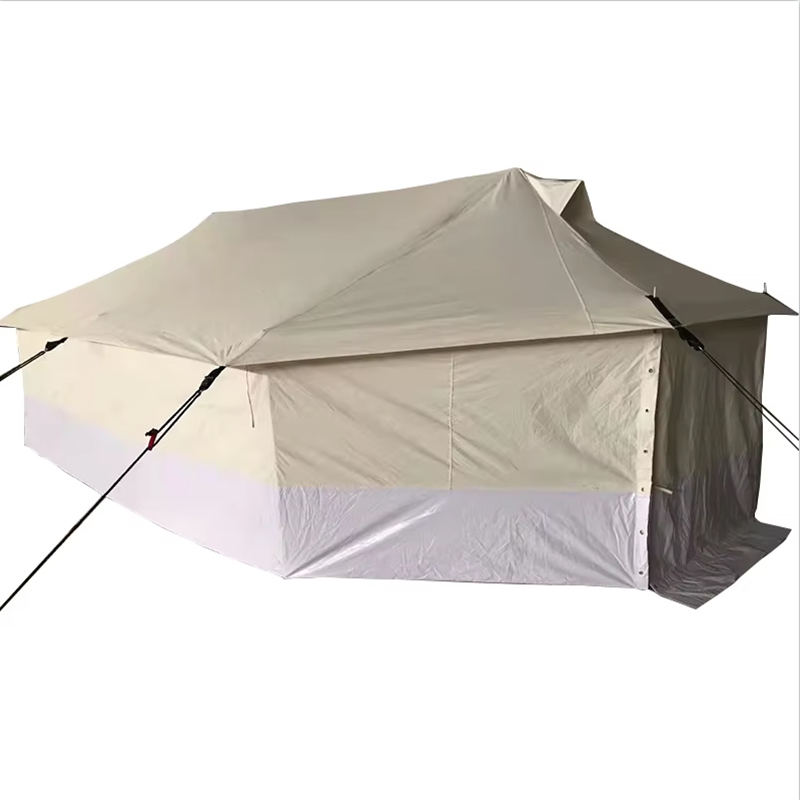



TO SHELTER ALL, TO SMILE ALL.
Our story is about how to uphold the spirit of humanitarianism in the face of disaster, how to find solutions amidst challenges, and how to sow hope in despair.
Content
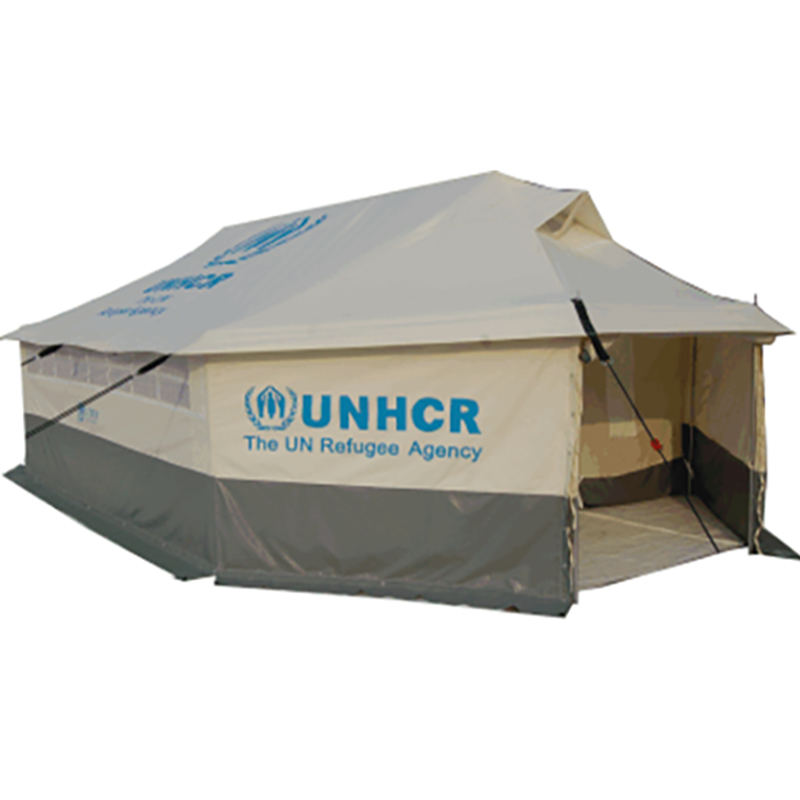
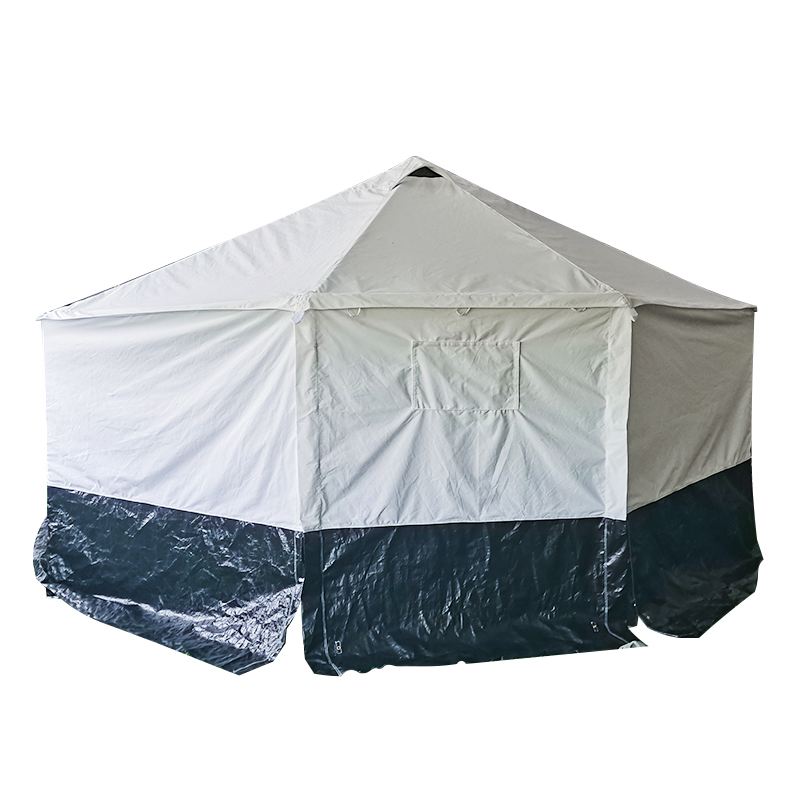
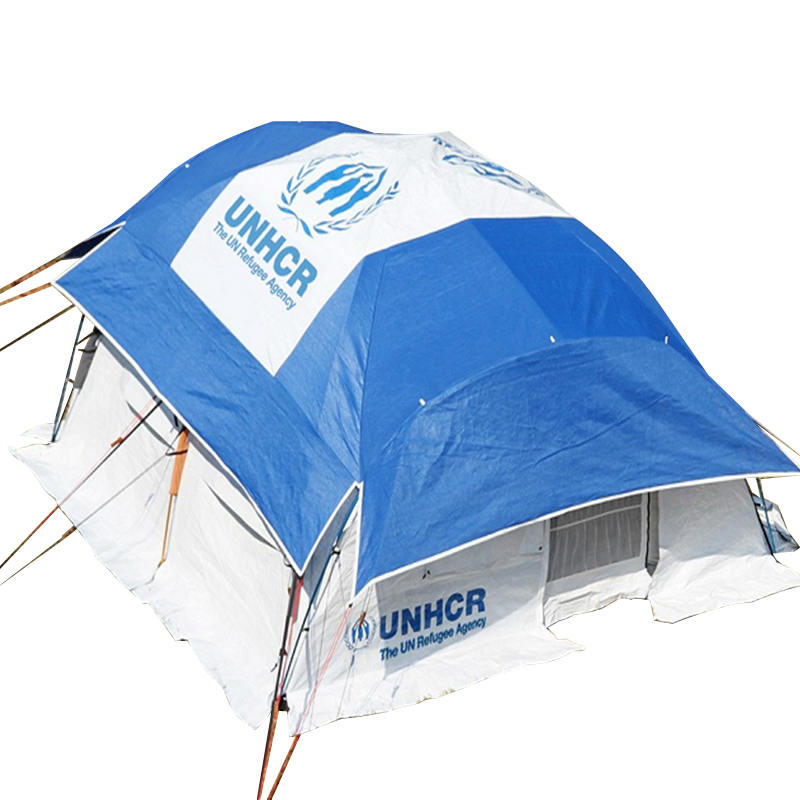
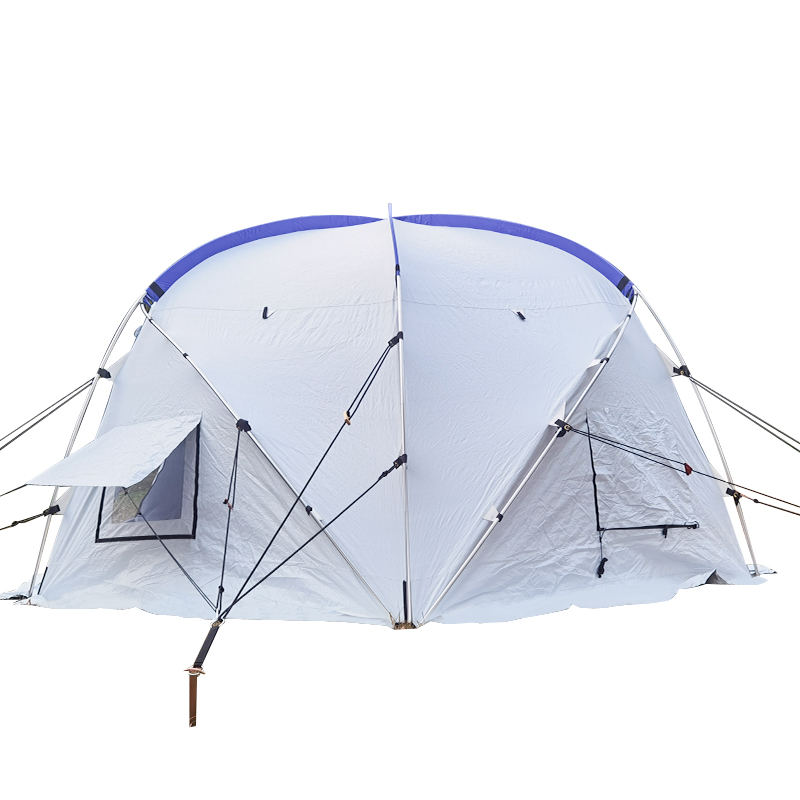
In the realm of humanitarian relief, the speed and quality of shelter can be the literal difference between life and death. The UNHCR Standard Self-Standing Family Tent represents a monumental shift in how aid organizations approach temporary housing. Unlike traditional pole-supported structures that require specific terrain or complex anchoring, this new generation dome-shaped self-standing family tent is engineered for versatility and resilience.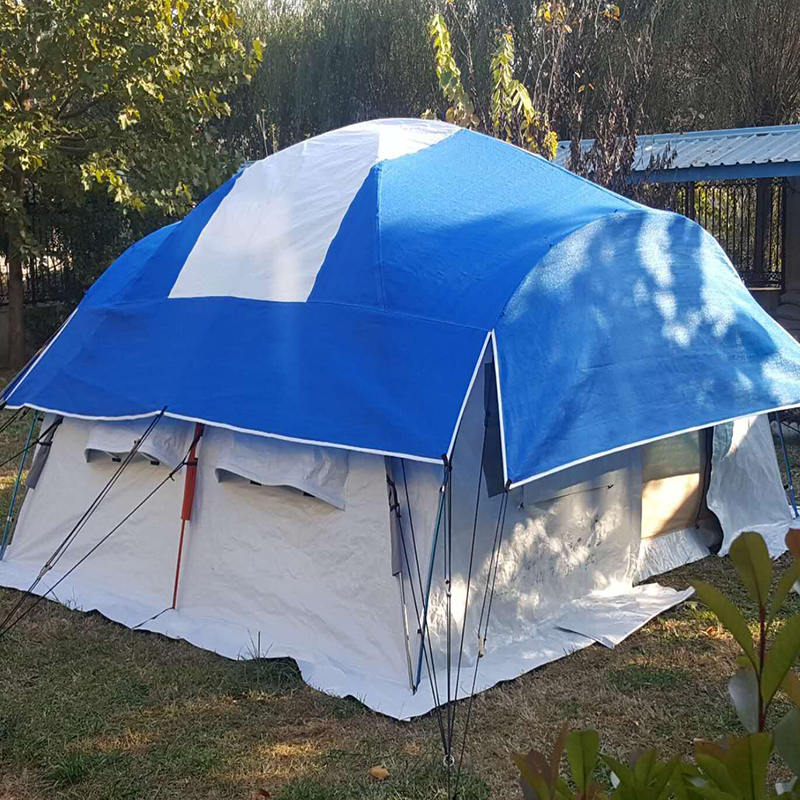
Shelter specialists have meticulously crafted these technical specifications to ensure that every unit provides a dignified living environment. With a 18.5 m² main floor area, this tent doesn't just offer a place to sleep; it offers a functional home for a family of five during their most vulnerable moments. The design focuses on maximizing interior volume, ensuring that occupants can stand upright in all corners, which significantly improves the psychological well-being of displaced populations.
One of the most frequent questions regarding emergency shelters is their ability to withstand diverse weather conditions. The UNHCR family tent addresses this through its innovative 3-layer construction. This system consists of an outer tent, a pre-fitted inner tent, and a dedicated shade cover, working in unison to regulate temperature and moisture.
The advanced ventilation system allows for constant airflow without compromising privacy or safety. This makes the tent adaptable to all climates, from humid subtropical regions to arid plains where UV exposure is extreme.
The choice of materials in the Self-Standing Family Tent is a result of rigorous field testing. The use of PE fabric (Polyethylene) ensures the structure is both lightweight and strong. This is critical for logistical efficiency, as more units can be transported in a single cargo flight, reducing the minimal cost of deployment.
| Feature | Standard/Specification |
|---|---|
| Floor Area | 18.5 m² |
| Flame Retardancy | CPAI-84 or equivalent (F/R) |
| UV Resistance | High-grade protection for 1+ year outdoor life |
| Setup Time | Under 30 minutes (3 persons) |
Furthermore, the materials are durable and recyclable, aligning with modern sustainability goals in the humanitarian sector. The UV resistance ensures that the fabric does not degrade under intense sunlight, maintaining its waterproof integrity for its entire outdoor lifespan.
Space is often the most restricted resource in a refugee camp. The UNHCR Standard Family Tent addresses this by utilizing a dome shape that optimizes vertical space. While traditional A-frame tents have sloping walls that limit usable floor area, this self-standing tent allows adults to stand upright throughout the interior. This "standing room in all corners" design philosophy is a game-changer for daily tasks such as dressing, cooking (in designated areas), and organizing personal belongings.
The tent accommodates five persons comfortably, adhering to the international standard for family-sized relief units. In the event of a sudden disaster, rapid deployment is essential. Because the tent is self-standing, it can be assembled on hard surfaces, rocky ground, or sand where driving stakes might be difficult. A team of 3 persons can complete the setup in less than 30 minutes, allowing aid workers and families to focus on other critical needs.
Safety in crowded camp settings is paramount. Fire risks are a constant concern, which is why the UNHCR family tent is treated with F/R (Flame Retardant) chemicals to prevent the rapid spread of fire. Coupled with its waterproof capabilities, the tent provides a secure sanctuary against the elements.
The tent is specifically designed to accommodate five persons according to international humanitarian standards, providing approximately 3.7 m² of space per person.
Yes, it is adaptable to all climates. The 3-layer system provides insulation for cold weather and a shade cover with advanced ventilation for hot climates.
It features easy set-up, taking less than 30 minutes with a team of 3 people, making it ideal for rapid deployment.
Yes, the tent uses recyclable materials and is designed for a long outdoor life span to reduce waste in emergency response cycles.
While anchoring is always recommended for wind safety, the self-standing dome design allows the tent to maintain its shape without constant tension from guy lines, making it easier to position on varied terrain.
Related Products

Our story is about how to uphold the spirit of humanitarianism in the face of disaster, how to find solutions amidst challenges, and how to sow hope in despair.
Copyright © Yangzhou Mailenda Outdoor Products Co., Ltd.
All Rights Reserved.
Custom Tent OEM/ODM Manufacturers


