

 English
 中文简体
中文简体 Español
 日本語
日本語 русский
 عربى
عربى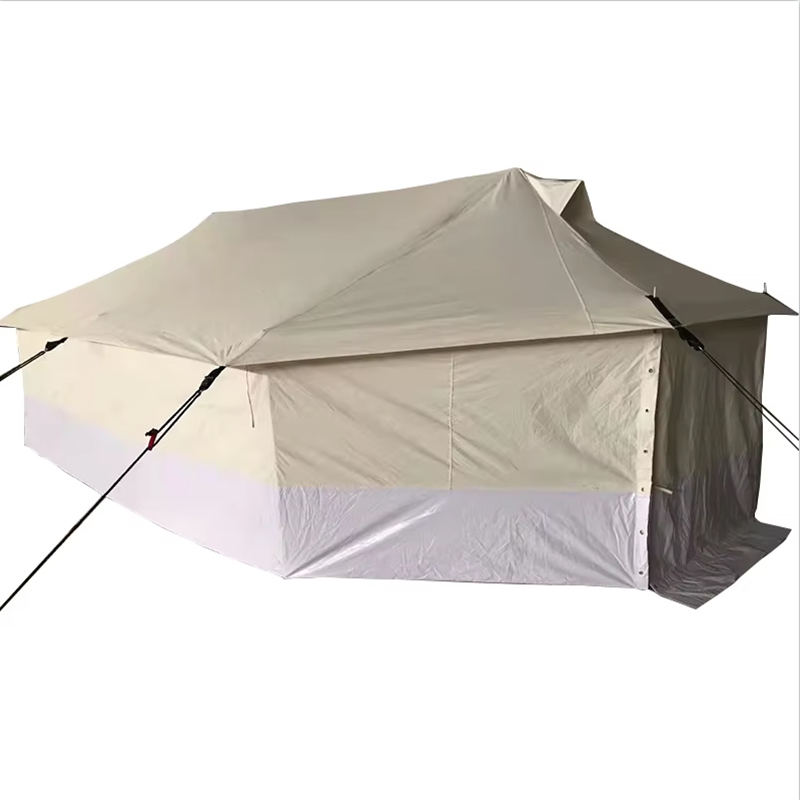



TO SHELTER ALL, TO SMILE ALL.
Our story is about how to uphold the spirit of humanitarianism in the face of disaster, how to find solutions amidst challenges, and how to sow hope in despair.
Content
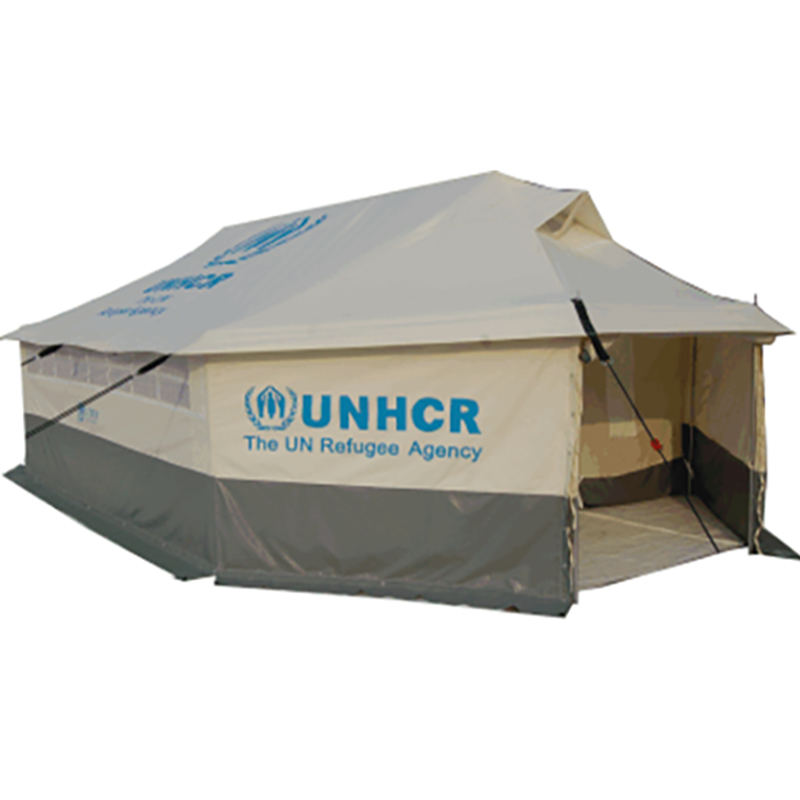
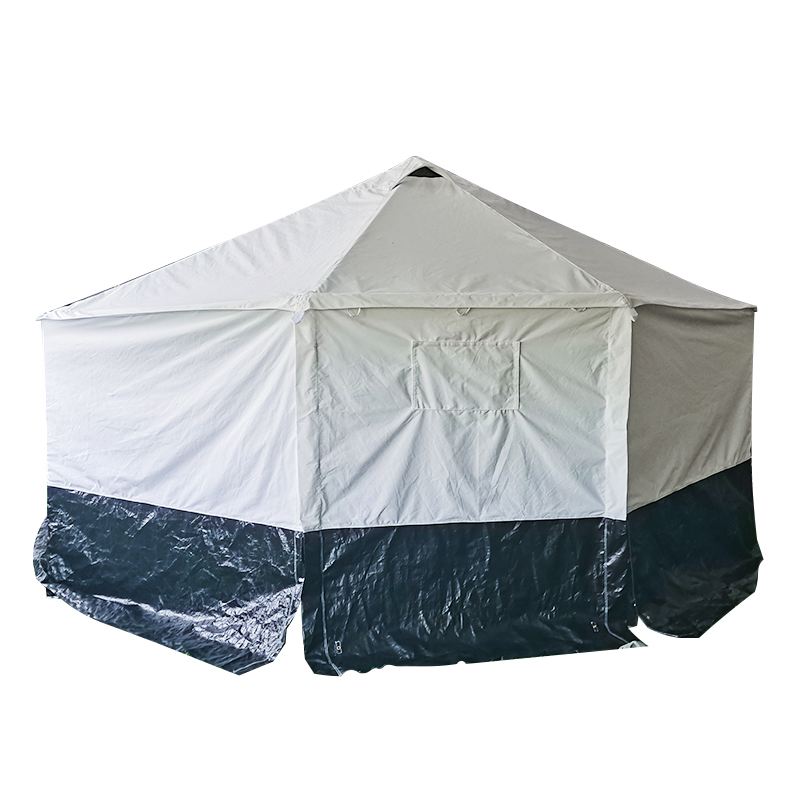
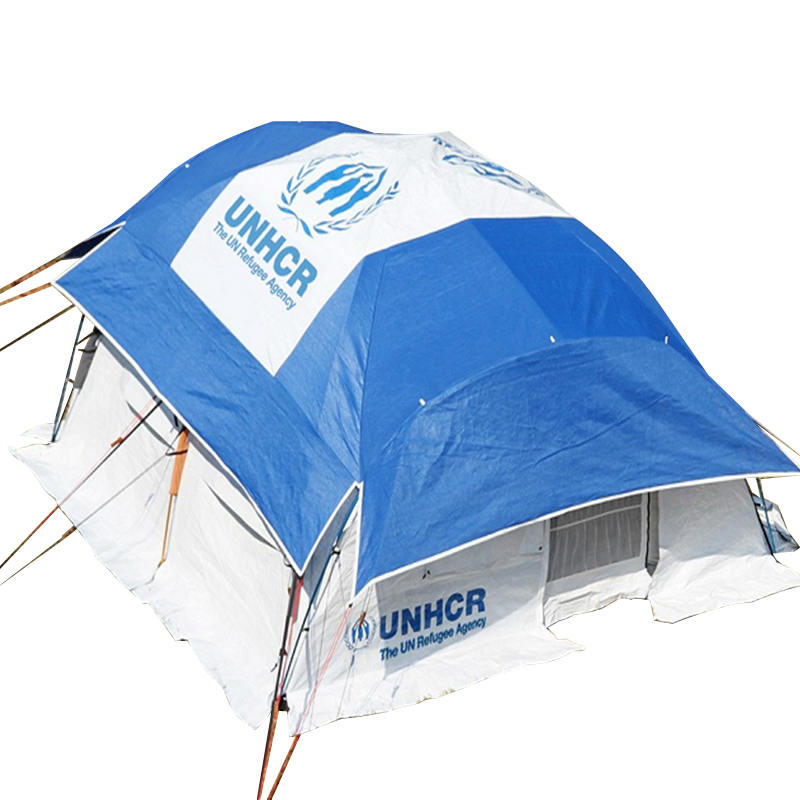
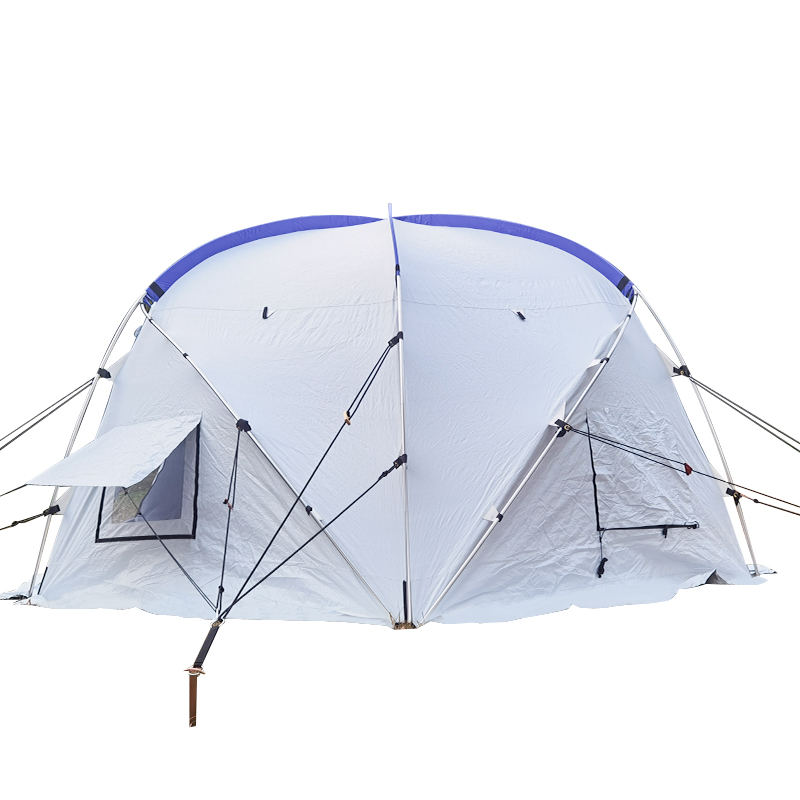
In the face of increasing global displacement, providing more than just a roof has become the priority for humanitarian organizations worldwide. A new generation of emergency housing is setting a higher benchmark for safety, comfort, and durability. The UNHCR Standard 5-Person Family Tent is at the forefront of this evolution, offering a robust solution designed to protect vulnerable families in the world’s most challenging environments.
Far from being a temporary stop-gap, this specialized shelter integrates advanced material science with thoughtful architectural design. By focusing on the physical and psychological needs of a household, it transforms a basic structure into a functional home for those forced to flee their own.
One of the most critical aspects of any emergency shelter is its ability to endure harsh weather conditions. Displaced families often find themselves in regions with extreme sunlight, heavy rainfall, or high humidity, which can quickly degrade standard fabrics.
The materials used in this tent are engineered for longevity. The outer shell is fully waterproof and rot-proof, ensuring that the interior remains dry even during prolonged monsoon seasons. Furthermore, the fabric is UV-stabilized, a vital feature that prevents the material from becoming brittle and tearing after months of exposure to intense solar radiation.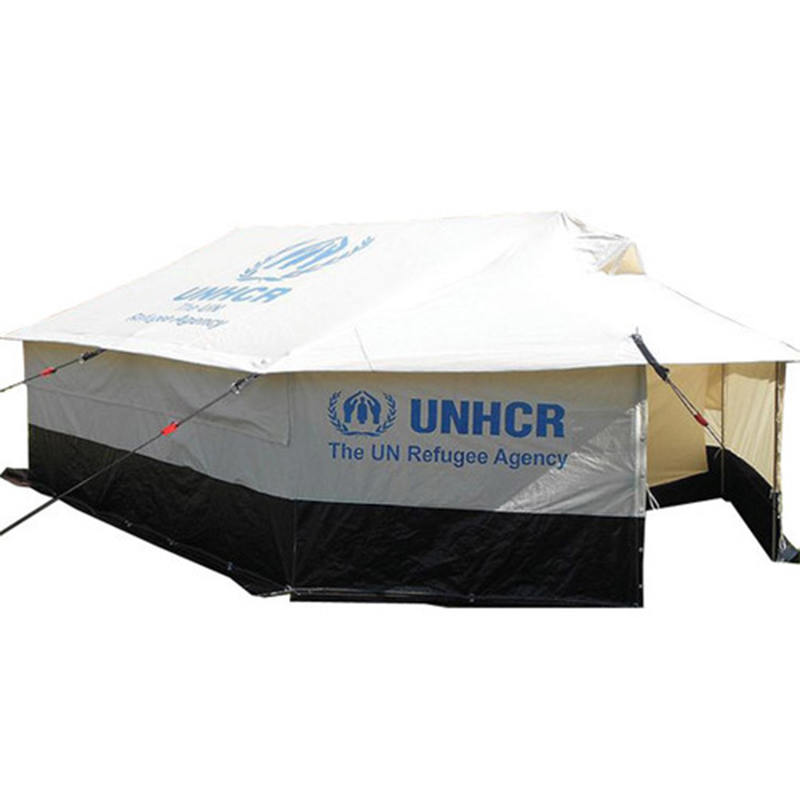
Safety is equally paramount. In crowded camp settings, the risk of fire is a constant concern. To address this, the entire structure is FR (Fire Retardant) treated, providing an essential layer of protection and peace of mind for parents and children living inside.
Space is more than a luxury; it is a matter of health and dignity. This tent provides a generous 16m² main floor area, specifically designed to accommodate a family of five. This ensures that every family member has enough room to sleep, store personal belongings, and move comfortably without overcrowding.
Beyond the main living quarters, the design includes two 3.5m² vestibules. These additional spaces are highly versatile, serving as:
Storage Zones: Keeping muddy boots, tools, or fuel away from the sleeping area.
Cooking Areas: Providing a sheltered spot for food preparation.
Privacy Buffers: Acting as an entryway that shields the family's private life from the outside world.
To combat the stifling heat often found in tropical or temperate climates, the tent features exceptionally large windows—measuring 360 cm wide and 60 cm long. These massive openings allow for maximum cross-ventilation, significantly lowering the internal temperature and reducing the risk of respiratory issues caused by stagnant air.
Humanitarian crises do not choose a season. Whether it is a scorching desert summer or a freezing mountain winter, a shelter must be adaptable. This model includes an inner liner that acts as a secondary layer of insulation.
In cold weather, this liner helps trap body heat, keeping the interior warm. In hot climates, it works in tandem with the large windows to create a breathable environment. This "all-climate" capability means that aid agencies can deploy the same high-quality equipment regardless of the geographical location, streamlining logistics and ensuring a consistent standard of care.
The layout of the tent is a direct response to the "Minimum Living Area" standards required for healthy communal living. By providing a structured and organized environment, it helps families maintain a sense of normalcy during chaotic times.
The height of the tent allows adults to stand upright, reducing the physical strain often associated with smaller, low-profile emergency shelters. This focus on ergonomics makes daily tasks—such as dressing, cleaning, and caring for children—much more manageable for the occupants.
As the humanitarian sector continues to modernize, the focus remains on "building back better." The introduction of such high-specification shelters represents a shift toward more sustainable and humane aid. By investing in quality materials like those found in the UNHCR Standard 5-Person Family Tent, the international community reduces the need for frequent replacements, ultimately saving costs and providing families with a reliable foundation upon which to rebuild their lives.
These tents are more than just canvas and poles; they are a symbol of resilience and a commitment to ensuring that every person, regardless of their circumstances, has a safe place to call home.
Related Products

Our story is about how to uphold the spirit of humanitarianism in the face of disaster, how to find solutions amidst challenges, and how to sow hope in despair.
Copyright © Yangzhou Mailenda Outdoor Products Co., Ltd.
All Rights Reserved.
Custom Tent OEM/ODM Manufacturers


